

Summary
1. The Rising Threat of Counterfeiting: Facts and Figures
2. Why Traditional Anti-Counterfeiting Measures Fall Short
3. Digital Product Passports (DPP): A Game-Changer for Brand Protection
4. NFC Technology: The Most Effective Solution Against Counterfeit Products
5. How Brands Can Implement DPP and NFC for Maximum Security
Introduction
In an increasingly digital and interconnected world, counterfeit goods pose a significant threat to brands and customers worldwide. The rise of counterfeit products not only leads to substantial financial losses but also damages consumer trust and brand integrity. As counterfeiters become more sophisticated, the need for advanced anti-counterfeiting measures and anti-counterfeiting technologies has never been more critical. Brands must now prioritize solutions that ensure product authentication and protect their goods from being duplicated or misrepresented.
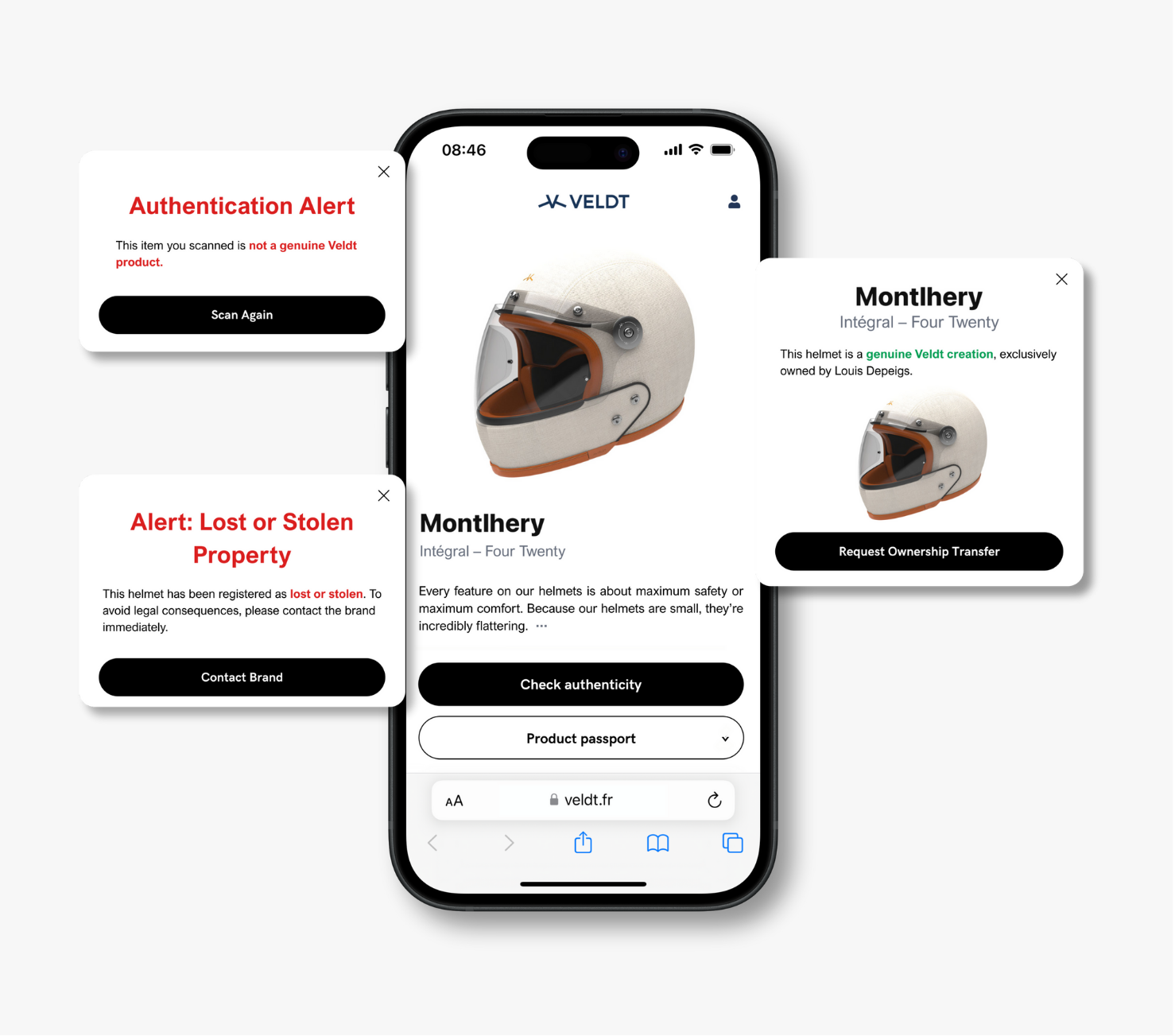
This article explores the most effective anti-counterfeiting solutions, focusing on Digital Product Passports (DPP) and NFC technology. These innovations are setting new standards in brand protection, offering real-time authentication and enhanced security for both brands and customers.
1. The Rising Threat of Counterfeiting: Facts and Figures
The global trade in counterfeit goods continues to expand at an alarming rate. According to the OECD and EUIPO, counterfeit products represented 2.3% of global imports in 2021, with a value of $467 billiona figure projected to reach $1.79 trillion by 2030. This surge in counterfeit goods impacts nearly every sector, from luxury items to pharmaceuticals, threatening customer safety and undermining consumer trust in genuine brands.
The proliferation of counterfeit products extends beyond financial losses. Counterfeit goods often fail to meet safety and quality standards, putting customers at risk and exposing brands to legal and reputational damage. To address this challenge, companies must invest in robust anti-counterfeiting solutions and anti-counterfeiting technologies that can evolve alongside the tactics of counterfeiters.
2. Why Traditional Anti-Counterfeiting Measures Fall Short
For years, brands have depended on physical security features such as holograms, watermarks, and tamper-evident seals to combat counterfeiting. However, these traditional anti-counterfeiting measures are no longer adequate. Counterfeiters have developed advanced techniques to replicate even the most complex packaging, making static identifiers vulnerable to duplication. As a result, brands require dynamic, technology-driven solutions that provide real-time authentication and secure data .
The limitations of conventional methods underscore the need for innovative anti-counterfeiting technologies. Without adopting modern solutions, brands risk losing customer loyalty and market share to counterfeit goods that infiltrate both physical and digital markets.
3. Digital Product Passports (DPP): A Game-Changer for Brand Protection
The European Union's introduction of Digital Product Passports (DPP) is a groundbreaking development in the fight against counterfeiting. A DPP serves as a digital identity for a physical product, offering complete transparency and traceability from production to end-of-life. By 2027, DPPs will be mandatory for a broad range of goods sold in the EU, including textiles, electronics, and furniture.
Source : Data Europa
Key benefits of DPPs for anti-counterfeiting:
- Enhanced Traceability: Each product is assigned a unique digital identifier, allowing brands and customers to verify its authenticity at any point in the supply chain.
- Regulatory Compliance: DPPs help brands adhere to EU regulations, ensuring transparency and sustainability while strengthening brand protection.
- Customer Confidence: Consumers can access comprehensive product information with a simple scan, fostering consumer trust and long-term loyalty.
By implementing DPPs, brands not only comply with regulations but also gain a powerful tool to distinguish genuine products from counterfeit goods, thereby reinforcing customer confidence and brand protection.
4. NFC Technology: The Most Effective Solution Against Counterfeit Products
Among the most advanced anti-counterfeiting technologies, NFC tags are recognized for their ability to deliver secure, real-time authentication. Unlike traditional labels, NFC tags generate dynamic, encrypted codes that cannot be replicated. When a customer interacts with an NFC-enabled product using their smartphone, the tag instantly verifies its authenticity, providing assurance for both brands and consumers.
Why NFC is the leading anti-counterfeiting technology:
- Real-Time Verification: NFC technology enables customers and brands to confirm a product's authenticity within seconds, minimizing the risk of counterfeit goods entering the market.
- Tamper-Proof Security: Any attempt to tamper with or remove an NFC tag is immediately detected, ensuring the integrity of the product.
- Versatile Integration: NFC tags can be seamlessly embedded into packaging or labels, making them suitable for a wide range of goods without affecting design or usability.
Extensive research and practical applications confirm that NFC technology significantly reduces the circulation of counterfeit products, establishing it as the most reliable solution for anti-counterfeiting measures.
Source : Sciencedirect.com
5. How Brands Can Implement DPP and NFC for Maximum Security
To fully capitalize on the advantages of DPPs and NFC technology, brands should follow these strategic steps:
- Partner with Specialists: Collaborate with providers who specialize in DPP and NFC solutions to ensure a smooth and effective deployment. Platforms like Legitag offer end-to-end support, from implementation to customer engagement.
- Educate Customers: Inform consumers about the importance of product authentication and how to use NFC tags and DPPs to verify the authenticity of goods. Clear, accessible instructions are essential for driving adoption.
- Utilize Data Insights: Leverage the data collected through DPPs to gain valuable insights into consumer behavior and supply chain efficiency, further enhancing anti-counterfeiting measures.
By integrating DPPs and NFC tags, brands create a secure, transparent ecosystem that deters counterfeiters and builds consumer trust.

Conclusion
The battle against counterfeiting requires a proactive and technology-driven approach. Digital Product Passports (DPP) and NFC technology represent the future of anti-counterfeiting solutions, empowering brands to protect their products, customers, and reputations. As counterfeiters continue to refine their methods, adopting these technologies is essential for ensuring product authentication, combating counterfeit goods, and fostering consumer trust in an increasingly complex marketplace.
For brands ready to take action, deploying a DPP with embedded NFC technology is the most effective solution to safeguard goods, ensure authentication, and maintain customer confidence.
FAQ
Q: How can a Digital Product Passport (DPP) help my brand combat counterfeiting?
A: A DPP provides a digital record of your product's lifecycle, enabling real-time authentication and traceability. When paired with NFC tags, it offers a tamper-proof solution that significantly reduces the risk of counterfeit products reaching customers.
Q: What makes NFC technology more effective than traditional anti-counterfeiting methods?
A: NFC tags generate dynamic, unique identifiers that cannot be copied, offering superior security compared to static labels. They enable real-time authentication, which is crucial for detecting counterfeit goods before they impact consumers.
Q: How can I get started with DPP and NFC for my brand?
A: Start by partnering with a trusted provider that specializes in DPP and NFC solutions. Legitag offers comprehensive support to help brands implement these technologies effectively, ensuring product authentication and customer confidence. Book a demo fore more informations.