

Summary:
1. The Rising Threat of Counterfeit Goods: A Global Challenge
2. Understanding Digital Product Passports (DPPs) and Their Regulatory Framework
3. Why NFC Technology is the Gold Standard for Anti-Counterfeiting
4. Real-World Success Stories: Brands Leveraging NFC and DPPs
5. How DPPs with NFC Enhance Brand Protection and Consumer Trust
6. DPPs as a Tool for Customer Engagement and Loyalty
7. Implementing DPPs: Best Practices and Compliance Steps for Brands
8. Educating Consumers: A Key Step for DPP Adoption
Introduction
In today's digital marketplace, the battle against counterfeit products is more critical than ever for any business aiming to thrive. The proliferation of fake goods not only undermines intellectual property rights but also erodes market share and consumer trust. As counterfeiting becomes increasingly sophisticated, companies must adopt innovative strategies to safeguard their property and maintain their competitive edge. Among the most powerful tools available is the Digital Product Passport (DPP), especially when combined with NFC technology. This solution enables brands to authenticate products, engage directly with customers, and collect valuable dataall while ensuring compliance with evolving regulations and protecting their revenue streams.
For businesses seeking to protect their reputation and sales revenue, DPPs offer a transformative approach. By embedding a unique digital identity into each item, companies can provide instant verification, detailed product histories, and exclusive services, turning protection into a strategic advantage and brand integrity into a market differentiator.
1. The Rising Threat of Counterfeit Goods: A Global Challenge
The economic and reputational damage caused by counterfeit goods is immense and growing. Studies show that the global trade in fake products could reach $4.2 trillion by 2025, leading to significant lost sales revenue and long-term harm to brand reputation. Beyond financial losses, counterfeits pose serious risks to consumer safety and intellectual property, making anti-counterfeiting a top priority for companies worldwide. Industries such as luxury, pharmaceuticals, and electronics are particularly vulnerable, with counterfeit products often flooding online marketplaces and social media platforms, threatening both business viability and property value.
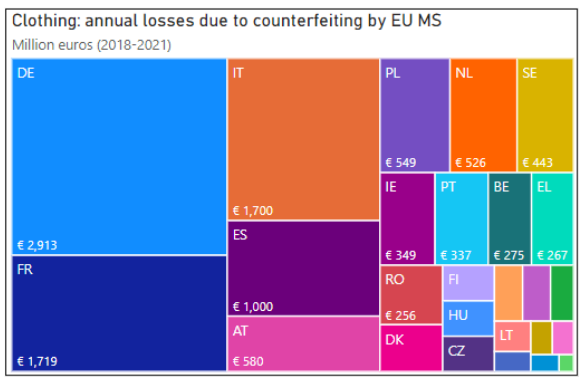
The growth of e-commerce has made it easier for counterfeiters to distribute fake goods, rendering traditional anti-counterfeiting measures less effective. To combat this, businesses need advanced, technology-driven solutions that can verify product authenticity and protect their property rights in real time, ensuring that only legitimate products reach the market.
2. Understanding Digital Product Passports (DPPs) and Their Regulatory Framework
The European Union's Digital Product Passport (DPP) initiative is a game-changer for brand protection. As part of the Ecodesign for Sustainable Products Regulation (ESPR), DPPs will soon be mandatory for a wide range of products sold in the EU, starting with high-risk categories like textiles, electronics, and batteriesdata.europa.eu+3. A DPP acts as a digital twin for physical products, containing verified information about their origin, materials, and compliance with sustainability and safety standards. This regulatory shift is pushing companies to rethink how they protect their property and brand in an increasingly transparent marketplace.
Source : Data Europa
By 2027, most products in the EU will require a DPP, making it essential for businesses to prepare. This digital record not only enhances transparency but also serves as a powerful tool for protecting intellectual property and ensuring that only legitimate products reach consumers, thereby safeguarding revenue and brand equity.
For a comprehensive overview, explore our guide on [What Is a Digital Product Passport? Everything You Need to Know].
3. Why NFC Technology is the Gold Standard for Anti-Counterfeiting
When it comes to anti-counterfeiting, NFC technology is unmatched in its simplicity and security. NFC tags embedded in products allow consumers to verify authenticity with a single tap, using nothing more than a smartphonest.com+2. This technology offers several key benefits for brands and businesses:
- Tamper-proof authentication: Each NFC tag contains a unique, encrypted identifier that cannot be replicated, providing robust protection against fake goods.
- Seamless user experience: Consumers can authenticate products instantly, without the need for additional apps, enhancing trust in the brand.
- Real-time data access: Brands can update product information, offer warranties, and engage customers directly through the DPP, creating new opportunities for services and customer loyalty.
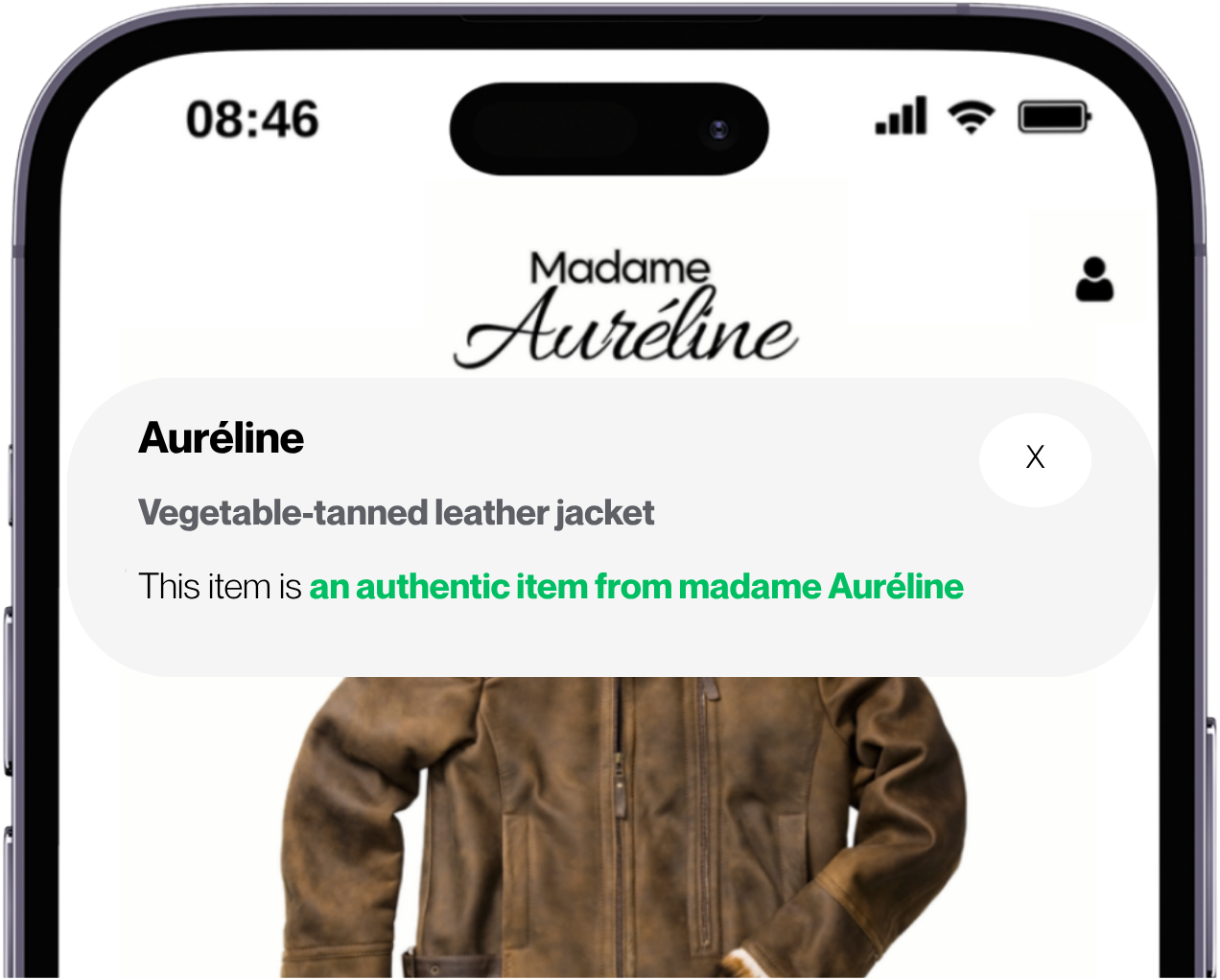
Case studies across industries demonstrate how NFC reduces counterfeit products and strengthens brand protection. For example, a leading luxury brand used NFC tags to authenticate its products, resulting in a dramatic decrease in fake goods and a boost in consumer trust and revenuesato-oceania.com+1.
4. Real-World Success Stories: Brands Leveraging NFC and DPPs
Several global brands have already adopted NFC and DPPs to combat counterfeiting and enhance customer engagement:
- Louis Vuitton embeds NFC chips in its products, allowing customers to verify authenticity instantly while preserving the brand's luxury aesthetics and protecting its property.
- Bayer, a pharmaceutical giant, uses NFC to ensure the authenticity and safety of medicines, protecting patients and its brand reputation while securing revenue.
- Balenciaga and Toulouse Football Club have integrated NFC badges into limited-edition clothing and jerseys, offering fans interactive experiences and guaranteeing product authenticity, which in turn protects the brand and drives business growth.
- Gucci and JCB Wines use NFC-enabled smart packaging to provide detailed product information and marketing content, creating a direct channel for customer engagement and services.
These examples illustrate how NFC and DPPs not only protect brands from counterfeits but also create new opportunities for customer loyalty and market differentiation, directly impacting revenue.
5. How DPPs with NFC Enhance Brand Protection and Consumer Trust
DPPs with NFC technology empower brands to:
- Prevent third parties from selling counterfeit goods by making fake products easily detectable, thus protecting both business and consumer.
- Protect their property by ensuring that only legitimate products are associated with their name, which is crucial for maintaining brand value.
- Monitor product movement across the supply chain, identifying vulnerabilities before they escalate and threatening revenue or reputation.
Additionally, DPPs enable businesses to collect consumer data ethically, providing insights that drive protection strategies and business growth. This data-driven approach not only combats counterfeiting but also enhances customer engagement and loyalty, ensuring long-term brand success.
For more on how DPPs can transform the customer experience, read our article on [Enhancing Customer Experience: The Power of Digital Product Passports].
6. DPPs as a Tool for Customer Engagement and Loyalty
Beyond anti-counterfeiting, DPPs are revolutionizing how brands interact with consumers. By scanning a product's DPP, customers can access exclusive content, loyalty rewards, and personalized experiences, fostering a deeper connection with the brandarianee.com+1. For companies, this means turning protection into an opportunity to deliver exceptional services and build lasting relationships.
Key strategies include:
- Personalized rewards: DPPs can integrate with loyalty programs, offering tailored incentives based on purchase history and preferences, which enhances brand loyalty and revenue.
- Interactive content: Brands can use DPPs to share stories about product origins, sustainability efforts, and care instructions, increasing transparency and trust in the brand.
- Community building: DPPs enable brands to create communities of "super users who advocate for the brand and share their experiences with others, amplifying business reach and impact.
For instance, Chloé and Coach use DPPs to provide care tips, repair options, and resale channels, turning product ownership into an ongoing relationship that protects the brand and drives business.

7. Implementing DPPs: Best Practices and Compliance Steps for Brands
To successfully implement DPPs, businesses should follow these steps:
Step 1: Organize Product Data
Centralize and standardize product data to ensure accuracy and compliance with EU regulations. A robust Product Information Management (PIM) system is essential for managing thousands of products efficiently and protecting the brand's integrity.
Step 2: Choose the Right Technology
Select a DPP solution that supports NFC, QR codes, or RFID, depending on your products and customer needs. Ensure the solution is scalable and integrates with existing systems to protect your property and revenue.
Step 3: Educate Consumers
Inform customers about the benefits of DPPs and how to use them. Clear communicationthrough packaging, in-store signage, and digital campaignsis crucial for adoption and brand trust.
Step 4: Pilot and Scale
Start with a pilot program for a select range of products, gather feedback, and refine the approach before full-scale deployment, ensuring that the business and brand are fully protected.
Step 5: Ensure Compliance
Stay updated on EU DPP requirements and deadlines. The first delegated regulations will define specific data requirements for prioritized product categories, with full compliance expected by 2027. Non-compliance risks lost sales revenue and damage to brand reputation.
Legitag provides a turnkey solution for brands of all sizes, offering an intuitive platform that simplifies DPP deployment and ensures compliance. Our solution is designed to meet the unique needs of luxury brands, textile companies, furniture manufacturers, and more, helping companies protect their property and revenue.
For a step-by-step guide, visit How to Make a Digital Product Passport: A Practical Guide for Brands.
8. Educating Consumers: A Key Step for DPP Adoption
Consumer education is critical for the success of DPPs. Brands should:
- Demonstrate value: Highlight how DPPs benefit consumers, such as verifying authenticity, accessing exclusive content, and participating in loyalty programs, all of which protect the brand and enhance services.
- Simplify the process: Provide clear instructions on how to scan and use DPPs, using in-store demos, tutorials, and social media campaigns to ensure widespread adoption and brand recognition.
- Leverage storytelling: Use DPPs to share the story behind your products, emphasizing sustainability, craftsmanship, and brand values, which strengthens business differentiation and protection.
By educating consumers, brands can turn DPPs into a powerful tool for customer engagement, brand loyalty, and anti-counterfeiting, ultimately protecting their property and revenue.
Conclusion
In the fight against counterfeiting, Digital Product Passports with NFC technology are the most effective tools available for businesses today. By adopting DPPs, companies can protect their intellectual property, safeguard their reputation, and build lasting consumer trust. As regulations evolve and counterfeiters grow more sophisticated, investing in DPPs is not just a protection measureit's a strategic necessity for long-term brand success and revenue growth.
.png)
Legitag's platform makes it easy for brands to deploy DPPs, comply with EU regulations, and unlock new opportunities for customer engagement and loyalty. Whether you're in luxury, furniture, textiles, or electronics, our solution is tailored to help companies protect their property, enhance their brand, and secure their business future.
FAQ
Q: How can DPPs help my business comply with EU regulations?
A: DPPs ensure compliance with the Ecodesign for Sustainable Products Regulation (ESPR) by providing a transparent, standardized record of product information. Legitag's solution aligns with EU requirements, making it easy for businesses to meet deadlines and protect their brand and revenue. Learn more in Digital Product Passport Regulation: What Brands Need to Know to Stay Compliant.
Q: Which industries benefit most from DPPs?
A: DPPs are particularly valuable for industries prone to counterfeiting, such as luxury goods, textiles, and electronics. However, any brand looking to enhance traceability, customer engagement, and anti-counterfeiting can benefit. Discover more in Who Needs a Digital Product Passport? Industries Leading the Adoption.
Q: How does Legitag ensure the security of DPP data?
A: Legitag uses advanced encryption and NFC technology to secure product data, ensuring that only authorized parties can access or modify information. Our platform is built to protect your property, consumer privacy, and brand integrity at every step.
Q: Can DPPs be used to improve customer loyalty and protect revenue?
A: Absolutely. DPPs enable brands to offer personalized rewards, exclusive content, and interactive experiences, fostering deeper customer engagement and loyalty, while protecting the business from fake goods and lost sales revenue. Explore our article on Boosting Consumer Engagement: Strategies Using Digital Product Passports for more insights.