

Summary
1. Understanding Circularity and Its Core Principles
2. The Role of Digital Product Passports in Advancing Circularity
3. How Businesses Can Implement Circular Strategies with DPPs
4. Case Studies: Circularity in Practice
5. The Regulatory Landscape and Future Outlook
Introduction
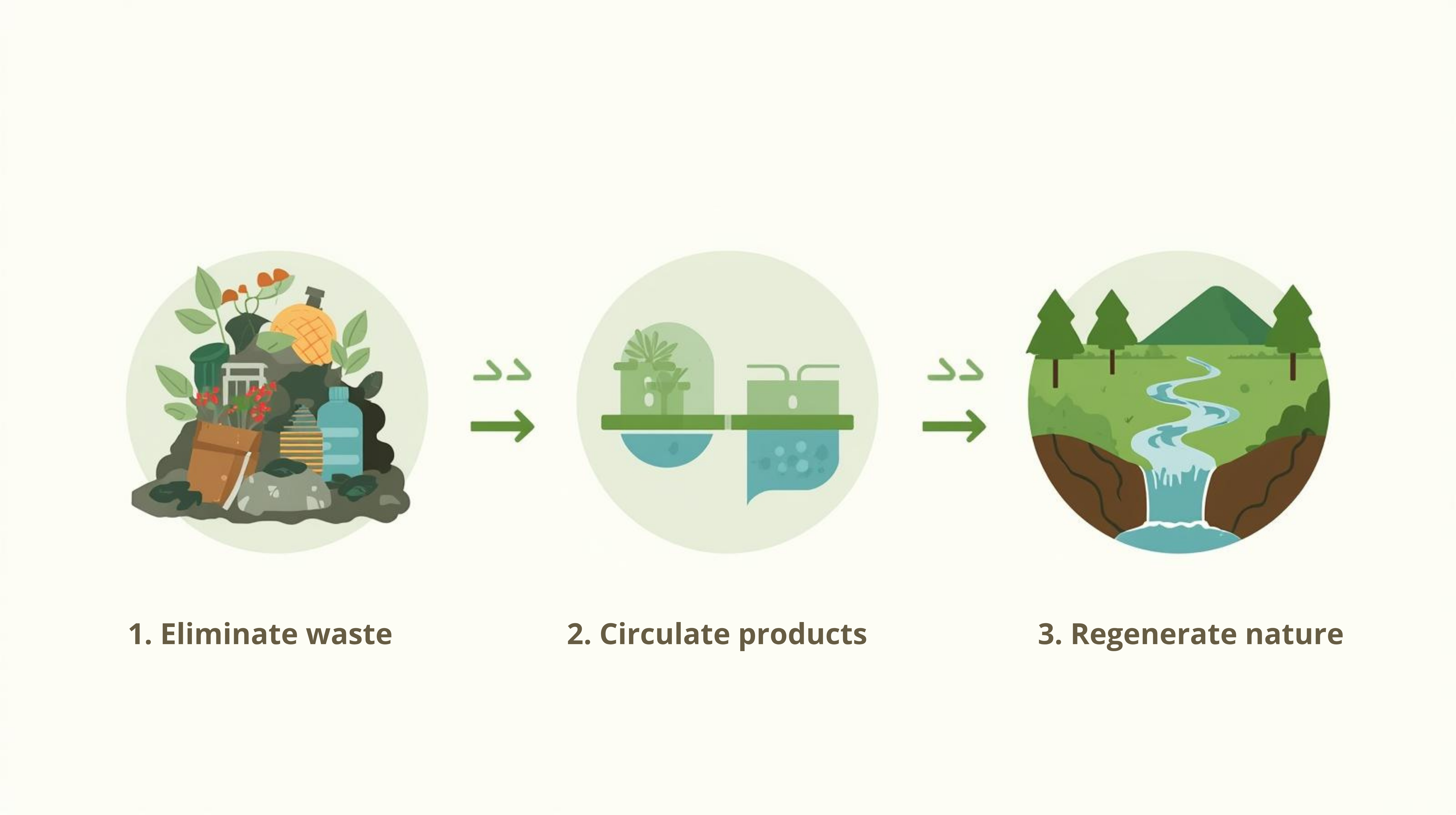
The concept of circularity is reshaping how businesses approach sustainability, moving beyond traditional linear models of production and consumption. In a world where waste pollution and resource efficiency are critical concerns, the transition to a circular economy is not just an environmental imperative but a strategic business opportunity. At its heart, circularity is about designing out waste, keeping products and materials in use, and regenerating natural systems. This shift is driven by both environmental urgency and the recognition that circular business models can unlock new value, reduce costs, and build resilience.
One of the most powerful tools emerging in this space is the Digital Product Passport (DPP). By providing a digital record of a product's lifecyclefrom origin to end-of-lifeDPPs enable brands to enhance transparency, comply with regulations, and engage consumers in more sustainable consumption. For companies like Legitag, DPPs are a gateway to not only combat counterfeiting but also to embed circularity into their operations, fostering a future where products are designed for longevity, reuse, and recycling.
In this article, we explore how circularity and DPPs intersect, offering actionable insights for brands ready to embrace this transformation.
1. Understanding Circularity and Its Core Principles
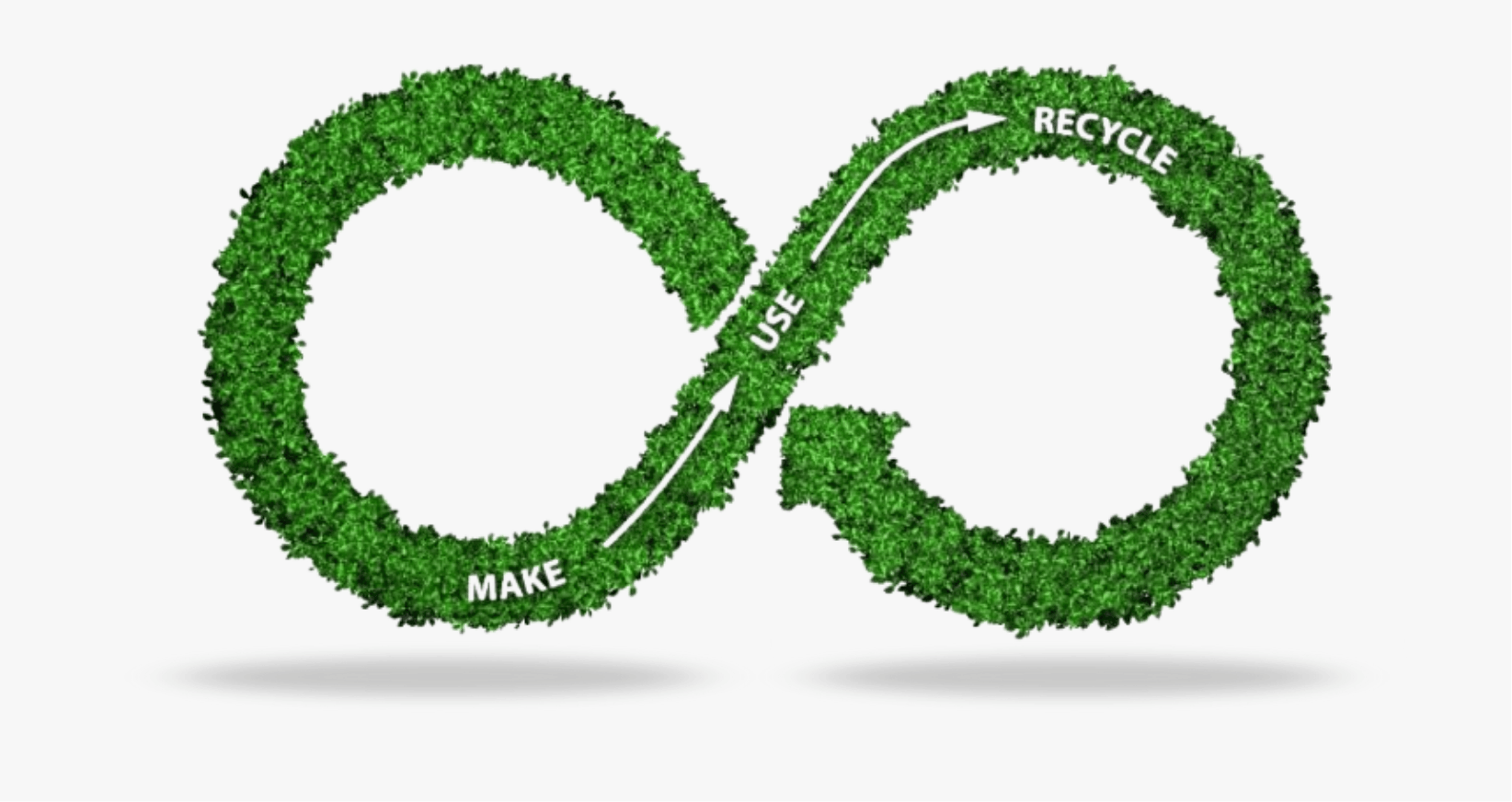
Circularity is founded on three core principles, as defined by the Ellen MacArthur Foundation: eliminate waste and pollution, circulate products and materials at their highest value, and regenerate nature. Unlike the linear "take-make-waste model, a circular economy seeks to create closed-loop systems where resources are used efficiently, and products are kept in circulation for as long as possible.
The Ellen MacArthur Foundation emphasizes that circularity is not just about recycling but about rethinking how we design, produce, and consume. This approach addresses pressing global challenges, including climate change, biodiversity loss, and greenhouse gas emissions, while also offering substantial economic benefits. Studies suggest that adopting circular economy principles could generate net material cost savings of up to $630 billion per annum in the EU alone by 2025.
By focusing on resource efficiency and sustainable materials, businesses can reduce their environmental footprint and create new revenue streams. For example, companies like Patagonia and Unilever have demonstrated how circular business modelssuch as product-as-a-service, repair, and remanufacturingcan drive both sustainability and profitability.
Source : Faster Capital
2. The Role of Digital Product Passports in Advancing Circularity
Digital Product Passports (DPPs) are digital records that accompany physical products, providing detailed information about their origin, composition, and lifecycle. The European Union is leading the charge, mandating DPPs for a wide range of products to enhance transparency and support circular economy goals. DPPs enable brands to track materials, verify authenticity, and share data with consumers, recyclers, and regulators.
Source : Data Europa
- For circularity to thrive, stakeholders need access to accurate, real-time data. DPPs make this possible by:
- Enabling traceability: Consumers and businesses can verify the sustainability credentials of products, ensuring they align with circular economy principles.
- Supporting circular business models: DPPs facilitate leasing, resale, and recycling programs, helping brands transition from linear to circular models.
- Improving resource management: By tracking materials and products throughout their lifecycle, DPPs help reduce waste and optimize resource use.
The integration of DPPs is particularly transformative for industries with high environmental impact, such as textiles, electronics, and furniture. For instance, the EU's Ecodesign for Sustainable Products Regulation (ESPR) requires DPPs for prioritized sectors, including batteries, textiles, and construction materials, starting in 2025.
3. How Businesses Can Implement Circular Strategies with DPPs
Adopting circularity requires a strategic shift in how companies design, produce, and manage products. DPPs provide the data infrastructure needed to implement circular business models effectively.
Design for Circularity: Brands can use DPP data to design products that are easier to repair, upgrade, or recycle. This approach not only reduces waste but also enhances product longevity and customer loyalty.
Enhance Supply Chain Transparency: DPPs allow brands to map their supply chain, identify inefficiencies, and collaborate with suppliers to improve sustainability. This transparency is increasingly demanded by consumers and regulators alikesupplychaindigital.com+2.
Engage Consumers: By sharing circularity datasuch as carbon footprint, recyclability, and repair optionsbrands can educate consumers and incentivize sustainable consumption. DPPs can also enable loyalty programs that reward customers for returning or recycling products.
For brands without extensive IT resources, solutions like Legitag offer turnkey DPP platforms that simplify compliance and data management, making circularity accessible to businesses of all sizes.
4. Case Studies: Circularity in Practice
Real-world examples illustrate the power of circular economy strategies. Patagonia's Worn Wear program encourages customers to repair and reuse clothing, extending product life and reducing waste. Unilever has committed to reducing packaging waste by 25% by 2025 and using 100% reusable, recyclable, or compostable plastic packagin. These initiatives demonstrate how circular business models can drive both environmental and economic value.
Source : Faster Capital
In the EU, pilot projects in textiles and batteries are showcasing how DPPs can streamline circularity efforts. For example, battery passports are already mandatory for electric vehicle and industrial batteries, providing a blueprint for other sectors.

5. The Regulatory Landscape and Future Outlook
The regulatory environment is evolving rapidly, with the EU's ESPR setting ambitious targets for circularity and sustainability. By 2025, DPPs will be required for a broad range of products, and compliance will become a competitive differentiator. Brands that proactively adopt DPPs and circular economy practices will be well-positioned to meet regulatory demands and capitalize on new market opportunities.
Source : Data Europa
The Ellen MacArthur Foundation and other organizations are advocating for global standards to ensure consistency and interoperability. As circularity becomes a mainstream business strategy, DPPs will play a central role in enabling transparency, compliance, and innovation.
Conclusion
Circularity is more than a trendit's a fundamental shift in how we produce, consume, and manage resources. Digital Product Passports are a critical enabler of this transition, providing the data and transparency needed to turn circular economy principles into action. For brands, the message is clear: embracing circularity and DPPs is not just good for the planetit's good for business.
By leveraging DPPs, companies can reduce waste, enhance resource efficiency, and build stronger relationships with consumers. The future of sustainability is circular, and the time to act is now.
FAQ
Q: How can Digital Product Passports help my brand achieve circularity?
A: DPPs provide the data infrastructure to track products and materials, enabling circular business models like repair, resale, and recycling. They also enhance transparency and compliance, which are key to building consumer trust and meeting regulatory requirements. For a practical guide, explore our article on How to Make a Digital Product Passport: A Practical Guide for Brands.
Q: What are the first steps to implementing a DPP for my products?
A: Start by assessing your supply chain and identifying key data points, such as material origins and environmental impact. Partnering with a DPP provider like Legitag can simplify the process, ensuring compliance and seamless integration with your existing systems. Learn more in our Digital Product Passport (DPP) solution: The Ultimate Guide to Compliance, Supply Chain Transparency, and Sustainability guide.
Q: Are DPPs mandatory for all products?
A: The EU's ESPR outlines phased requirements, with prioritized sectors like textiles, batteries, and electronics leading the way. For a detailed breakdown, refer to our article on Digital Product Passport Deadlines: Key Dates and What They Mean for Your Brand.