

Summary
1. The Rise of Digital Product Passports and Their Role in Consumer Data Collection
2. Types of Consumer Data Captured by Digital Product Passports
3. Ethical Considerations and Compliance in Consumer Data Management
4. Transforming Consumer Data into Actionable Business Insights
5. Real-Time Data: The Future of Consumer Engagement and Personalization
Introduction
In today's rapidly evolving digital economy, consumer data has emerged as the most valuable resource for brands seeking to understand customers on a deeper level. As trends in consumer behavior continue to shiftdriven by technological advancements and changing expectationsbusinesses must adopt innovative approaches to collect, analyze, and leverage this data responsibly. The Digital Product Passport (DPP) represents a groundbreaking solution, offering brands an ethical and transparent way to gather real-time, first-party consumer data directly from their customers.
With the European Union mandating DPPs for an expanding range of products, brands now have a unique opportunity to transform how they engage with customers. DPPs not only enhance product authenticity and traceability but also serve as a powerful tool for collecting behavioral data, demographic data, and transactional dataall while ensuring compliance with GDPR, CCPA, and other privacy regulations. By integrating DPPs into their website and broader digital ecosystem, companies can gain a 360-degree understanding of their customers, enabling them to deliver personalized experiences that drive loyalty and business growth.
As customers become increasingly tech-savvy and demand greater transparency, brands that harness the power of DPPs will be better positioned to anticipate trends, adapt to evolving behavior, and create meaningful connections that extend far beyond the point of sale.
1. The Rise of Digital Product Passports and Their Role in Consumer Data Collection
The Digital Product Passport (DPP) is set to redefine how brands interact with customers in the EU and beyond. Mandated by the Ecodesign for Sustainable Products Regulation (ESPR), DPPs will become a standard feature for products ranging from textiles and electronics to batteries and furniture by 2027. Each DPP acts as a digital twin for a physical product, containing comprehensive information about its origin, materials, environmental impact, and lifecycle. This transparency not only combats counterfeiting but also opens a direct channel for brands to collect consumer data at every touchpointfrom initial purchase to end-of-life disposal.
source : Data Europa
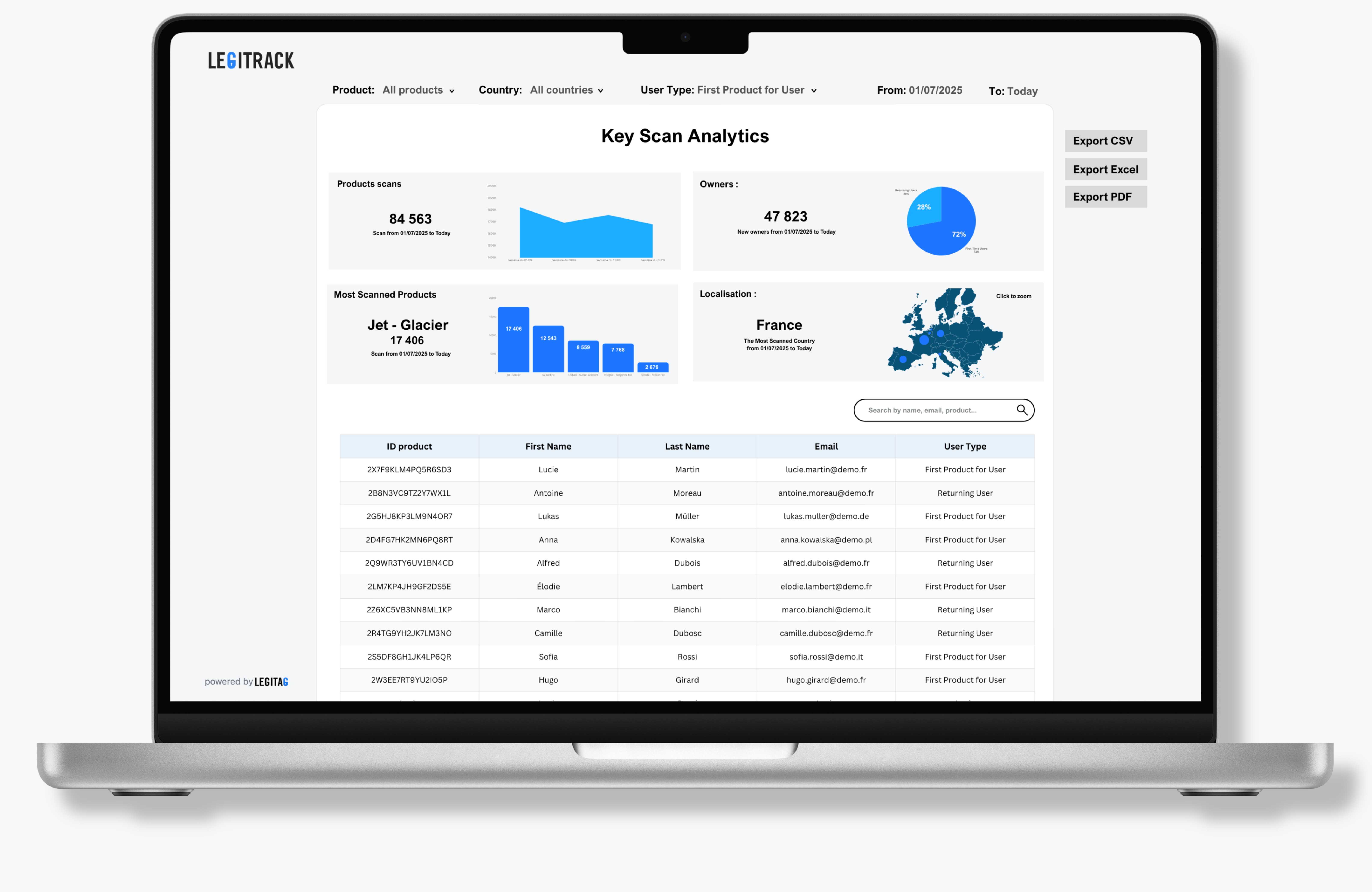
For brands, DPPs are a game-changer in understanding customers. Unlike traditional methods that rely on fragmented third-party data or limited website analytics, DPPs provide real-time, first-party data shared voluntarily by customers. This includes first name, last name, e-mail, andmost importantlybehavioral data that reveals how customers interact with products over time. For example, a tech-savvy millennial might scan a DPP to verify authenticity, while an eco-conscious car owner could use it to track maintenance schedules or access sustainability reports.
The adoption of DPPs is gaining momentum, with the EU's first working plan released in April 2025, prioritizing industries such as textiles, electronics, and batteries. Brands that proactively integrate DPPs into their website and customer engagement strategies will be well-positioned to capitalize on emerging trends in consumer behavior, such as the growing demand for sustainability and personalized experiences. By understanding these trends, businesses can tailor their offerings to meet the evolving needs of their customers, fostering deeper loyalty and trust.
2. Types of Consumer Data Captured by Digital Product Passports
DPPs enable brands to collect a diverse range of consumer data, which can be categorized into three key types:
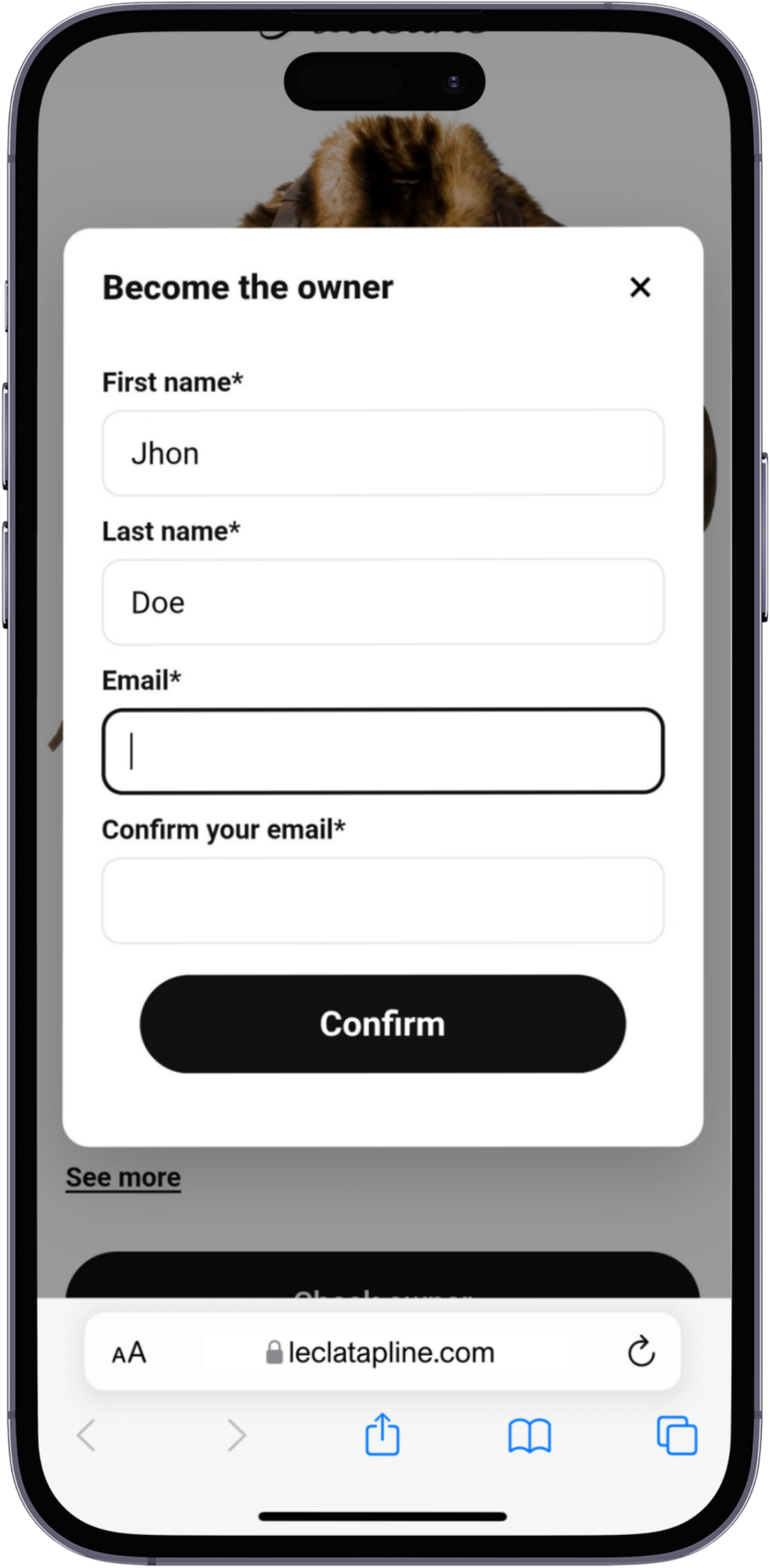
Demographic Data: When customers register their products via a DPPwhether through a website, mobile app, or in-store kioskbrands can gather essential information such as first name, last name, and e-mail. This data forms the foundation for segmentation and personalized communication, allowing brands to understand customers on an individual level.
Behavioral Data: DPPs provide unprecedented insights into how customers engage with products. By tracking scans, service requests, and content interactions, brands can analyze behavioral data to identify patterns, preferences, and pain points. For instance, a luxury brand might discover that customers who frequently check a product's authenticity via DPP are more likely to engage with exclusive offers, while holiday gift givers may prioritize warranty extensions or gift-wrapping services.
Transactional and Experiential Data: DPPs capture a wealth of data related to purchases, warranty claims, resale activity, and even social media shares. This information offers a deeper understanding of consumer behavior, such as how often a product is used, repaired, or passed on to new owners. By analyzing these trends, brands can refine their marketing strategies, optimize customer service, and develop new services that align with the needs of their customers.
For example, a furniture manufacturer could use DPP data to identify trends in customer behavior, such as a growing preference for modular designs among urban customers. Armed with this understanding, the brand can create targeted campaigns on its website or through email, promoting products that resonate with specific segments.
3. Ethical Considerations and Compliance in Consumer Data Management
While DPPs offer immense potential for collecting consumer data, brands must prioritize ethical practices and compliance with global privacy regulations. GDPR and CCPA set strict guidelines for data collection, requiring transparency, explicit consent, and customer control over personal information.
source : matomo
To build trust with customers, brands should:
- Clearly communicate what data is being collected and how it will be used, both on their website and within the DPP interface.
- Implement robust data protection measures to safeguard customer data collected, ensuring compliance with regulations like GDPR and CCPA.
- Provide customers with easy-to-use tools to manage their privacy preferences, including the ability to access, update, or delete their information.
Brands that fail to adhere to these standards risk not only legal penalties but also reputational damage. Conversely, those that demonstrate a commitment to ethical data practices will strengthen their relationship with customers, who are increasingly tech-savvy and conscious of how their data is used. By understanding and respecting consumer behavior around privacy, brands can foster long-term loyalty and differentiate themselves in a competitive marketplace.
4. Transforming Consumer Data into Actionable Business Insights
The real power of DPPs lies in their ability to transform raw data into actionable insights. Advanced customer analytics and data science tools can process consumer data to uncover hidden trends, predict future behavior, and inform strategic decisions.
For example, a fashion retailer might use DPP data to identify a trend among customers who frequently scan products for care instructions. By understanding this behavior, the brand could develop a series of video tutorials and promote them on its website or through email campaigns, enhancing the customer experience and reducing return rates.
Similarly, a luxury watchmaker could leverage DPP data to offer personalized experiences, such as invitations to exclusive events or virtual consultations. By analyzing behavioral data, the brand gains a deeper understanding of its customers, enabling it to create highly targeted marketing campaigns that drive engagement and sales.
Case studies show that brands using DPPs to understand customers achieve higher customer satisfaction and loyalty. For instance, a sportswear company used DPP data to identify a trend among customers who prioritize sustainability. In response, the brand launched a "trade-in and recycle" program, promoted on its website and through social media, which resulted in a 20% increase in repeat purchases.
5. Real-Time Data: The Future of Consumer Engagement and Personalization
The shift toward real-time data is revolutionizing how brands engage with customers. DPPs enable companies to interact with customers in the moment, delivering hyper-personalized content, offers, and support based on their behavior. Whether it's a real-time alert about a product recall or a personalized discount tied to usage history, DPPs make every interaction relevant and time.
source : ana.net
Real-time data also enhances risk management by allowing brands to monitor product performance and proactively address customer concerns. For example, if DPP data reveals a sudden spike in service requests for a particular product, the brand can quickly investigate and resolve the issue, preventing potential reputational damage.
As consumer data becomes increasingly dynamic, brands that invest in real-time analytics will gain a competitive edge. By staying attuned to trends in consumer behavior, companies can adapt their strategies to meet the evolving expectations of their customers, whether through their website, mobile app, or in-store experiences.

Conclusion
Digital Product Passports are more than a regulatory requirementthey are a strategic asset that empowers brands to collect, analyze, and act on consumer data in ethical and innovative ways. By integrating DPPs into their website and broader digital ecosystem, companies can gain a deeper understanding of their customers, anticipate trends, and deliver personalized experiences that drive loyalty and growth.
For brands ready to embrace this transformation, Legitag's DPP platform offers a comprehensive solution that prioritizes compliance, privacy, and customer value. By leveraging DPPs to understand customers and their behavior, brands can turn data into a powerful driver of business success, ensuring they remain agile and responsive in an ever-changing marketplace.
FAQ
Q: How can Digital Product Passports help my brand collect consumer data ethically?
A: Digital Product Passports enable customers to voluntarily share their first name, last name, e-mail, and behavioral data when they register or interact with products. This first-party data is collected with explicit consent, ensuring compliance with GDPR and CCPA. Legitag's DPP solution provides tools to manage consent and privacy, making it easy to build trust while gathering valuable insights into consumer behavior. By understanding how customers engage with your website and products, you can create more meaningful and compliant interactions.
Q: What types of consumer data can I expect to collect with a DPP?
A: DPPs capture a broad range of consumer data, including demographic data (e.g., contact details), behavioral data (e.g., product scans, service interactions), and transactional data (e.g., purchase history, warranty claims). This data provides everything you need to understand customers, identify trends, and tailor your marketing and customer service strategies for maximum impact.
Q: How can real-time data from DPPs improve my marketing and customer experience?
A: Real-time data allows you to respond instantly to customer needs, personalize communications, and address issues proactively. For example, you can send real-time maintenance reminders, offer targeted promotions based on behavior, or provide immediate supportall of which enhance the customer experience. To see how Legitag's DPP solution can transform your business by helping you understand customers and their behavior, request a demo today.