

Summary
1. Understanding the Digital Product Passport (DPP) and Its Importance for Supply Chain Transparency
2. How Digital Product Passports Enhance Sustainability and Compliance
3. Step-by-Step Guide to Implementing a Digital Product Passport
4. Overcoming Challenges in DPP Deployment and Product Data Management
5. The Future of Digital Product Passports in the Circular Economy
Introduction
In today's global marketplace, supply chain transparency and sustainability are no longer optionalthey are essential for compliance and consumer trust. The digital product passport (DPP) is a groundbreaking solution that empowers brands to meet EU regulations, enhance product data management, and drive sustainability. By 2027, the European Union will mandate digital product passports for nearly all products, making it crucial for businesses to adopt this technology now.
For brands across industriesfrom textiles and luxury goods to electronics and furniturethe digital product passport is a game-changer. It not only ensures compliance with regulations but also strengthens supply chain transparency, supports the circular economy, and builds consumer trust. This comprehensive guide will walk you through everything you need to know about deploying a DPP, from implementation to future trends.
1. Understanding the Digital Product Passport (DPP) and Its Importance for Supply Chain Transparency
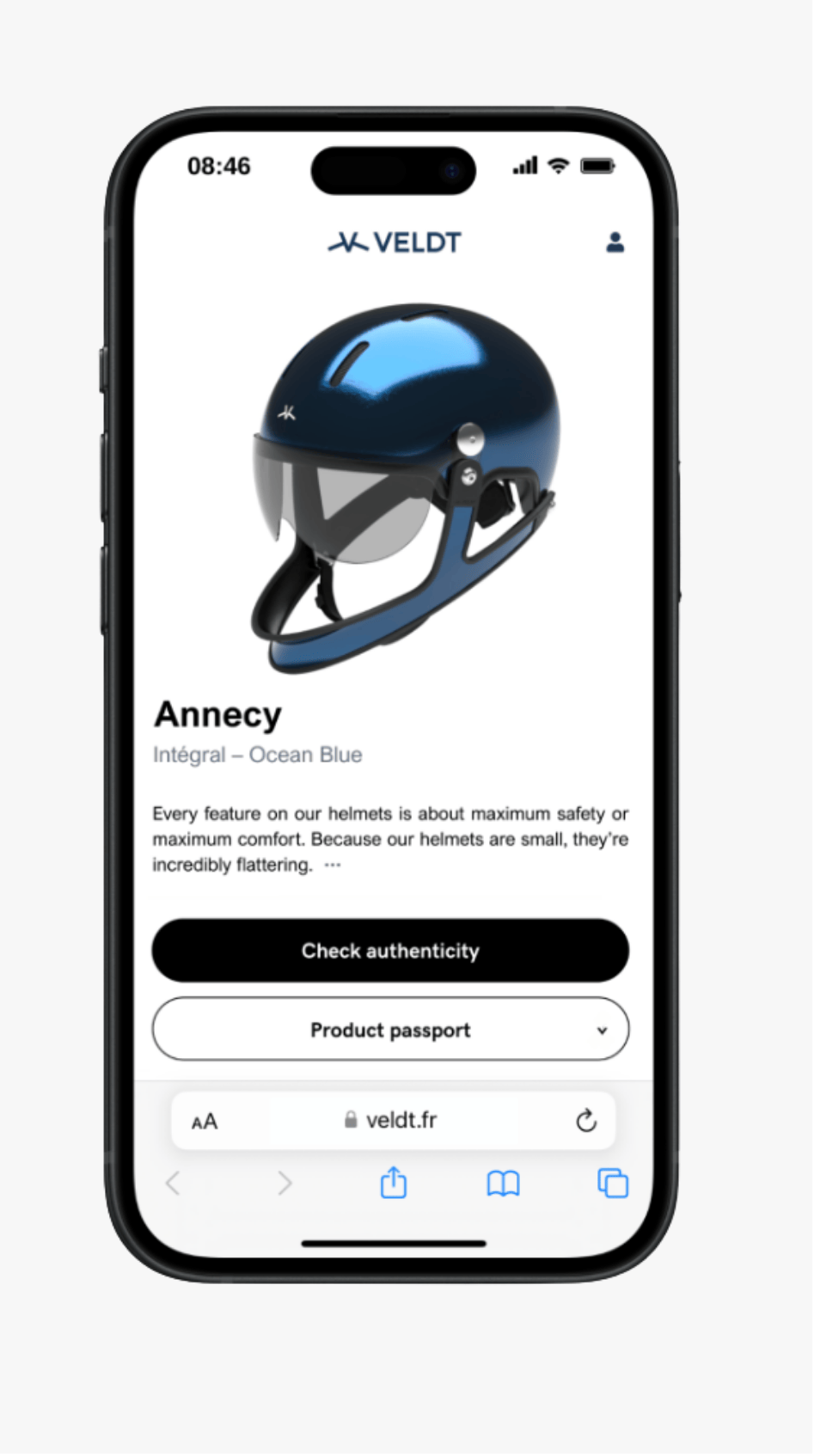
What Is a Digital Product Passport (DPP)?
A digital product passport (DPP) is a digital record that provides detailed product data, including material origins, manufacturing processes, carbon footprint, and end-of-life instructions. As part of the Ecodesign for Sustainable Products Regulation (ESPR), the DPP is designed to enhance transparency, ensure compliance, and promote sustainability across the supply chain.
Source : Data Europa
Why Are Digital Product Passports Mandatory?
The European Commission has made DPPs mandatory to address three key challenges:
- Supply Chain Transparency: Consumers and regulators demand full visibility into how products are sourced, manufactured, and distributed.
- Sustainability: DPPs enable brands to track and reduce their environmental impact, supporting circular economy initiatives.
- Compliance: DPPs help brands meet EU regulations and avoid penalties by providing verifiable product data.
Which Products Require a Digital Product Passport?
The EU has prioritized the following industries for early adoption:
- Textiles and apparel
- Batteries and electric vehicles
- Furniture
- Electronics and ICT
- Construction products
By 2027, most products sold in the EU will require a DPP, with specific deadlines and data requirements outlined in the ESPR and related regulations.
2. How Digital Product Passports Enhance Sustainability and Compliance
Adopting a digital product passport offers brands multiple benefits beyond compliance:
Enhanced Supply Chain Transparency
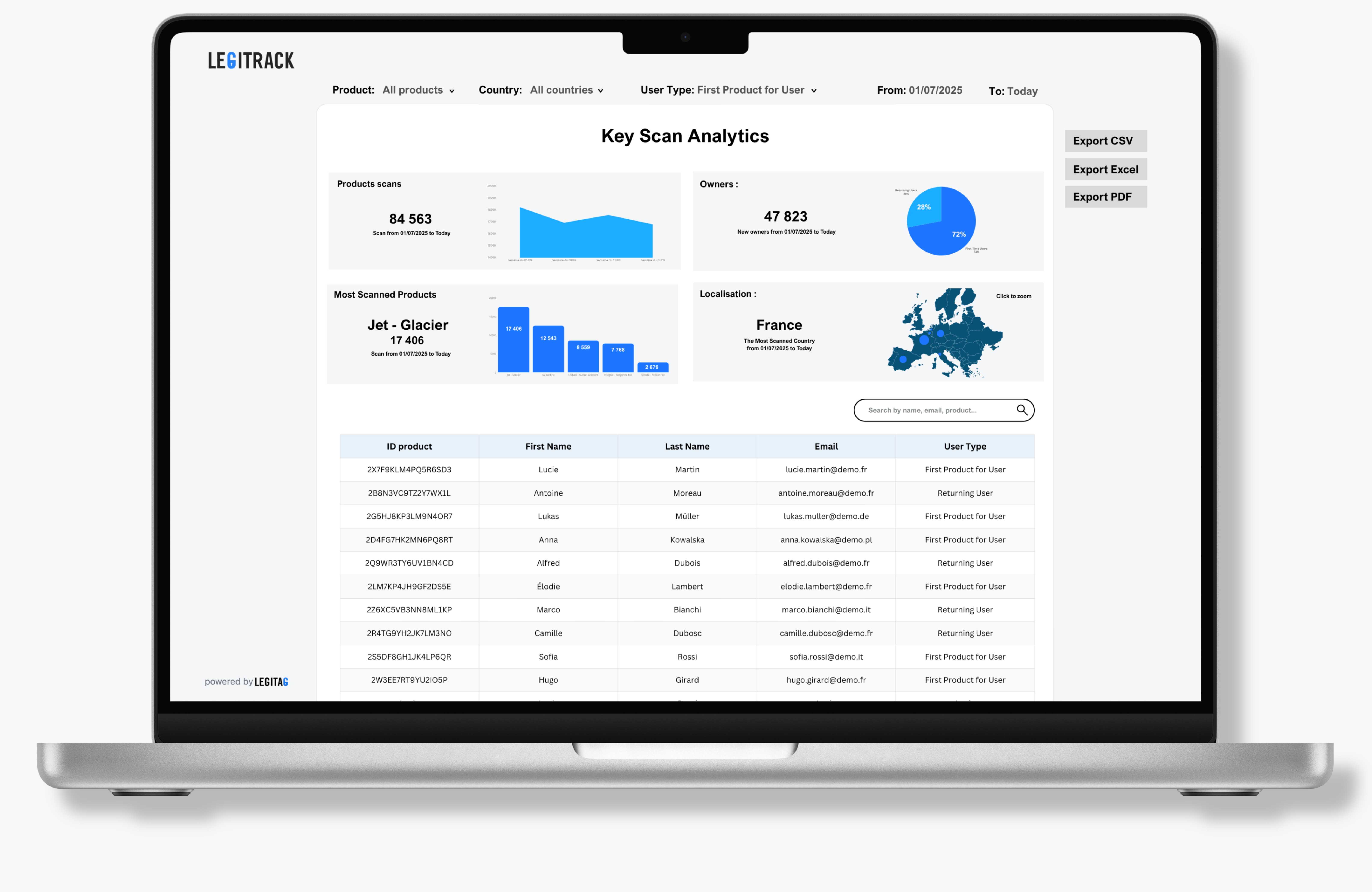
DPPs provide real-time access to supply chain data, allowing brands to monitor the journey of raw materials, components, and finished products. This transparency helps identify inefficiencies, mitigate risks, and ensure ethical sourcing.
Source : Data Europa
Building Consumer Trust and Engagement
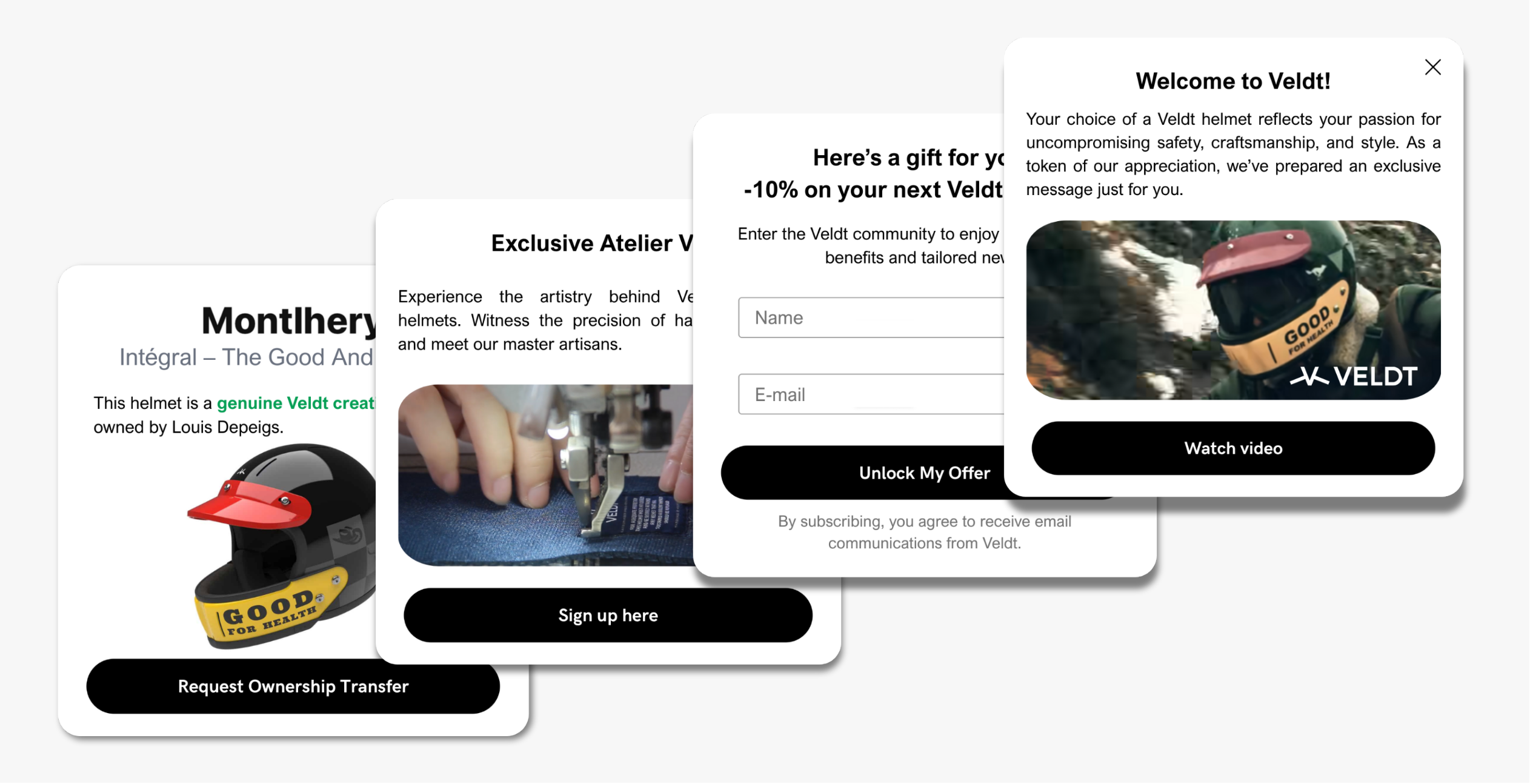
Consumers increasingly value sustainability and transparency. By sharing verified product data through DPPs, brands can strengthen consumer trust and loyalty. DPPs also enable brands to offer personalized services, such as repair guides, recycling options, and exclusive content, enriching the customer experience.
Enabling Circular Economy Initiatives
DPPs make it easier to repair, reuse, and recycle products, supporting circular business models. Brands can use DPPs to launch take-back programs, resale platforms, and sustainable design practices, aligning with the EU's Circular Economy Action Plan.
DataDriven Decision Making
The data collected through DPPs offers valuable insights into consumer behavior, product performance, and supply chain efficiency. These insights drive innovation and help brands stay competitive in a rapidly changing market.
Source : Data Europa
3. Step-by-Step Guide to Implementing a Digital Product Passport
Deploying a DPP involves a structured approach:
Step 1: Define Your Product Data Requirements
Start by identifying the data needed for each DPP, including:
- Unique product identifiers
- Material origins and composition
- Manufacturing details and locations
- Environmental impact metrics (e.g., carbon footprint)
- Compliance certificates and safety information
- End-of-life instructions
Ensure your data management systems can capture, store, and update this information efficiently.
Step 2: Select the Right DPP Solution
Choose a DPP solution that aligns with your business needs, focusing on:
- Interoperability: The solution should integrate seamlessly with your ERP, PLM, and supply chain management systems.
- Scalability: The platform must accommodate your current and future product volumes.
- Security: Opt for solutions that provide robust data governance and GDPR compliance.
Step 3: Implement Unique Digital Identifiers
Assign a unique identifier (e.g., QR code, NFC tag, or RFID chip) to each product. This identifier links to the DPP, enabling traceability throughout the product's lifecycle.

Step 4: Integrate with Your Supply Chain
Collaborate with suppliers, manufacturers, and logistics partners to ensure accurate data collection and sharing across the supply chain. This collaboration is crucial for maintaining transparency and compliance with regulations.
Step 5: Launch and Educate Stakeholders
Deploy your DPP solution in phases, starting with a pilot program. Train your team and educate consumers on how to access and use the DPP, ensuring smooth adoptionfluxy.one.
4. Overcoming Challenges in DPP Deployment and Product Data Management
While the benefits of DPPs are clear, brands may encounter challenges:
Data Collection and Standardization
Gathering and standardizing product data can be complex, particularly for brands with global supply chains. Partnering with technology providers like Avery Dennison or Siemens can streamline data management and ensure compliance with regulations.
Ensuring Data Accuracy and Security
DPPs rely on precise and up-to-date data. Implement strong data governance policies and use secure storage solutions to protect sensitive.
Driving Consumer Adoption
Encourage consumers to engage with your DPP by highlighting its benefits, such as access to exclusive content, warranty details, and sustainability insights. Marketing campaigns can help raise awareness and boost adoption rates.
5. The Future of Digital Product Passports in the Circular Economy
The DPP landscape is evolving, with several trends shaping its future:
Integration with AI and Machine Learning
Advanced analytics and machine learning can unlock deeper insights from DPP data, offering predictive analytics on product performance, supply chain risks, and consumer preferences.
Growth of Circular Business Models
As DPPs become more widespread, brands will increasingly adopt circular business models, such as product-as-a-service and resale platforms. These models not only promote sustainability but also create new revenue opportunities.
Global Expansion of DPPs
While the EU leads the way, other regions are exploring similar regulations. Brands that adopt DPPs early will be well-positioned to comply with future regulations and seize global opportunities.
Conclusion
The digital product passport is a powerful tool for brands committed to transparency, sustainability, and compliance. By deploying DPPs effectively, brands can build consumer trust, optimize their supply chain, and contribute to a circular economy. As regulations evolve, now is the time to invest in a robust DPP solution and transform compliance into a strategic advantage.
FAQ
Q: When is the deadline for implementing a Digital Product Passport?
A: The EU has set a 2027 deadline for most products, with earlier compliance required for specific industries, such as batteries and electric vehicles, which must have DPPs by February 2027. For more details, see our article on Digital Product Passport Deadlines: Key Dates and What They Mean for Your Brand.
Q: How can a DPP solution help combat counterfeiting?
A: DPPs provide a secure digital identity for each product, making it easier to verify authenticity and detect counterfeits. Learn more in our article on Anti-Counterfeiting Measures: Solutions and Best Practices.
Q: Can a DPP solution enhance post-purchase customer engagement?
A: Absolutely! DPPs allow brands to maintain direct contact with customers, offer personalized services, and gather valuable data for marketing and product development. Explore our guide on Boosting Consumer Engagement with Digital Product Passports.