

Summary
1. The Rise of Digital Product Passports: Market Dynamics and Future Projections
2. The Regulatory Push: How Europe and the Global Market Are Accelerating DPP Adoption
3. Industryby-Industry Breakdown: Who's Leading the DPP Revolution?
4. The Role of Technology in Scaling DPP Solutions Across Industries
5. Sustainability at the Core: How DPPs Are Redefining Environmental Responsibility
6. Transforming Customer Trust Through Enhanced Traceability and Transparency
7. Data Management in the DPP Era: Turning Challenges into Competitive Solutions
8. A Global Perspective: DPP Adoption in Europe, North America, Asia Pacific, and Beyond
Introduction
In an era where traceability, transparency, and sustainability are no longer optional but essential, digital product passports (DPPs) are emerging as a transformative force across the global market. By 2026, DPPs will be a standard requirement in Europe and a strategic differentiator in competitive industries worldwide. This digital revolution is reshaping how brands interact with their customers, manage their data, and demonstrate their commitment to environmental stewardship.
A digital product passport acts as a comprehensive digital record for every product, embedding critical data about its entire lifecyclefrom raw material extraction to end-of-life recycling. For brands, this technology represents far more than regulatory compliance; it's an opportunity to build deeper customer relationships, optimize supply chain operations, and lead their industry in sustainability. As the market for DPPs continues to expand, early adopters are positioning themselves at the forefront of innovation, ready to meet the evolving demands of customers and regulators alike.

1. The Rise of Digital Product Passports: Market Dynamics and Future Projections
The market for digital product passports is experiencing unprecedented growth, with projections estimating it will surpass USD 1.78 billion by 2030, driven by a CAGR of 45.7% from 2025 to 2030marketsandmarkets.com+2. This explosive growth is fueled by a combination of customer demand for transparency, stringent regulatory requirementsparticularly in Europeand the urgent need for industries to adopt sustainability practices.
The market is evolving rapidly, with Europe leading the way due to its pioneering regulations, such as the Ecodesign for Sustainable Products Regulation (ESPR), which mandates DPPs for a wide range of products by 2026gminsights.com+2. Meanwhile, North America and Asia Pacific are quickly embracing DPPs as a solution to enhance traceability, improve data management, and meet the expectations of increasingly eco-conscious customers. For brands, this shift presents a unique opportunity to turn compliance into a competitive advantage, leveraging technology to create value across the supply chain.
Key factors shaping the market include:
- Customer expectations: Modern consumers demand access to detailed data about the products they purchase, including their environmental impact and ethical sourcing.
- Regulatory pressures: Governments worldwide are enforcing traceability and transparency, compelling industries to adopt DPPs as a standard practice.
- Technological advancements: Innovations in blockchain, AI, and IoT are making DPP implementation more accessible, scalable, and secure for businesses of all sizes.
Brands that invest in DPPs today will not only future-proof their operations but also gain a first-mover advantage in a market where sustainability and customer trust are becoming key differentiators.
2. The Regulatory Push: How Europe and the Global Market Are Accelerating DPP Adoption
Europe is setting the global standard for DPP adoption, with its ESPR regulation requiring DPPs for nearly all products sold in the EU by 2026. This regulation is designed to enhance traceability, promote sustainability, and empower customers with reliable data about the products they buy. The impact of this regulatory framework extends far beyond Europe, influencing industries and markets worldwide.
Source : Data Europa
Beyond Europe, other regions are following suit. In Asia Pacific, countries like China and South Korea are integrating DPPs into their national industry standards, while North America is seeing a surge in voluntary adoption as brands recognize the value of DPPs in building customer loyalty and improving data transparency. For companies operating in multiple regions, understanding these regulations is critical to developing a compliant and scalable DPP solution.
The regulatory landscape is clear: DPPs are no longer a choice but a necessity for industries aiming to thrive in the global market. Brands that proactively embrace these changes will not only avoid penalties but also position themselves as leaders in sustainability and customer trust. For a deeper understanding of these regulations, explore our guide: Digital Product Passport Regulation: What Brands Need to Know to Stay Compliant.
3. Industryby-Industry Breakdown: Who's Leading the DPP Revolution?
Adoption of DPPs varies across industries, with sectors facing the highest environmental impact and most complex supply chains leading the charge. Here's how different industries are harnessing this technology:
- Textiles and Fashion: Leading brands are using DPPs to provide customers with full traceability of their garments, from raw materials to retail, reinforcing their sustainability credentials.
- Automotive and Batteries: DPPs are mandatory for electric vehicle batteries in Europe by 2026, enabling automakers to track materials, ensure compliance, and promote recycling.
- Electronics and ICT: Companies in this industry are leveraging DPPs to enhance traceability of critical minerals, improve recycling rates, and meet customer demands for ethical and sustainable products.
- Furniture and Construction: DPPs help these industries demonstrate sustainability by providing data on material sourcing, carbon footprint, and end-of-life disposal options.
Each industry faces unique challenges, but the benefitssuch as improved product lifecycle management, stronger customer engagement, and operational efficienciesare universal. To see how DPPs are transforming specific sectors, read our articles on Digital Product Passports in Furniture and Digital Product Passports for Textile.
4. The Role of Technology in Scaling DPP Solutions Across Industries
The success of DPPs hinges on advanced technology. Cloud computing, and AI are the backbone of modern DPP solutions, enabling brands to create secure, scalable, and interoperable systems. Blockchain, in particular, is revolutionizing traceability by providing an immutable ledger for product data, which enhances authenticity and builds customer trust.
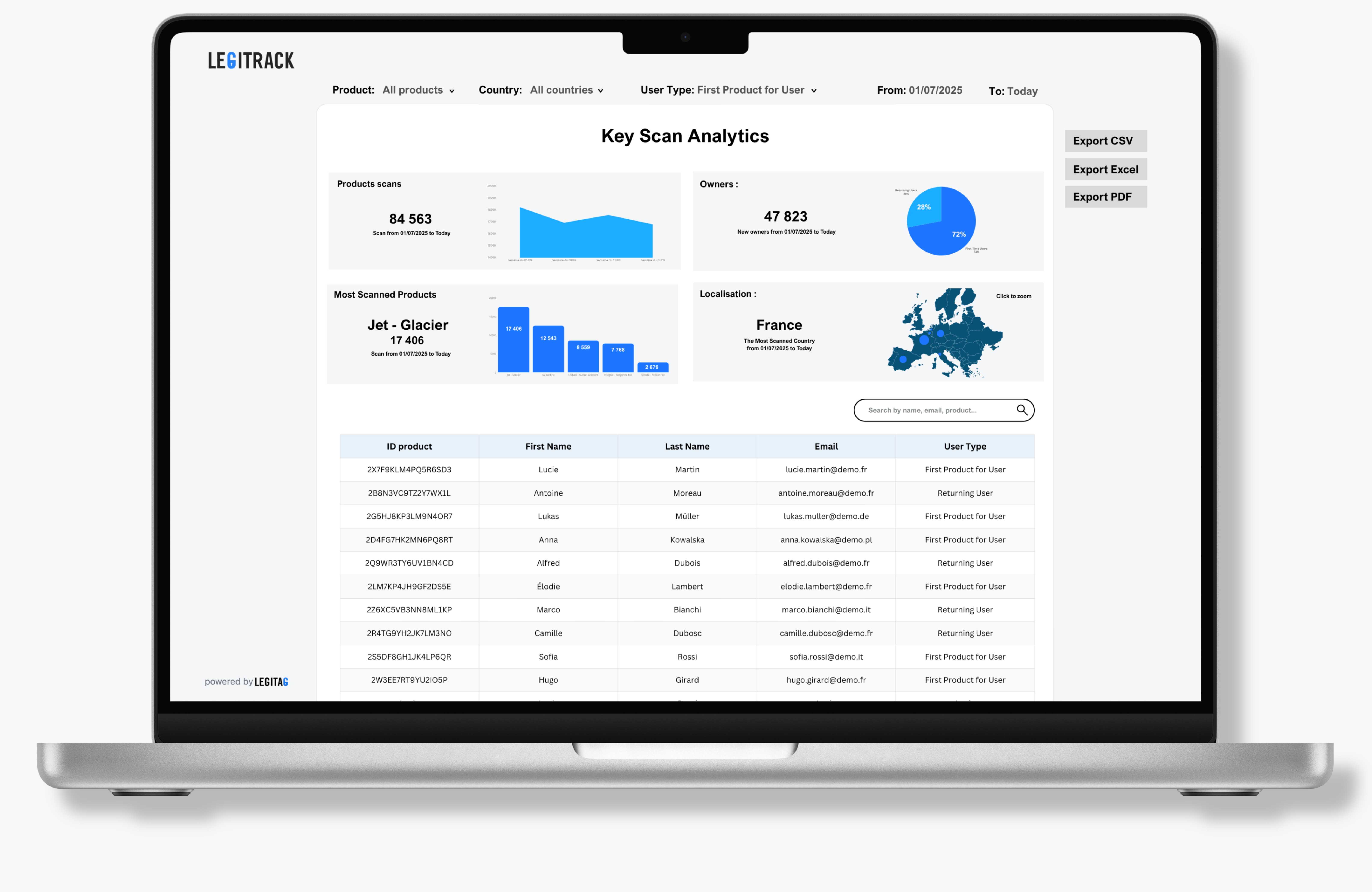
When implementing DPPs, brands should focus on:
- Interoperability: DPP systems must integrate seamlessly with existing supply chain management tools to provide real-time data across the industry ecosystem.
- Customercentric design: The technology should make it effortless for customers to access product passport information via QR codes, NFC tags, or mobile applications.
- Data security: Protecting sensitive data is essential, especially as regulations around privacy and traceability become more stringent.
For brands looking to deploy DPPs effectively, our guide How to Make a Digital Product Passport: A Practical Guide for Brands offers step-by-step insights.
5. Sustainability at the Core: How DPPs Are Redefining Environmental Responsibility
DPPs are a cornerstone of sustainability, enabling brands to track, reuse, and recycle materials more effectively. By providing comprehensive data on a product's lifecycle, DPPs help companies reduce waste, lower their environmental impact, and meet sustainability goals. For customers, this means greater transparency and the ability to make purchasing decisions that align with their values.
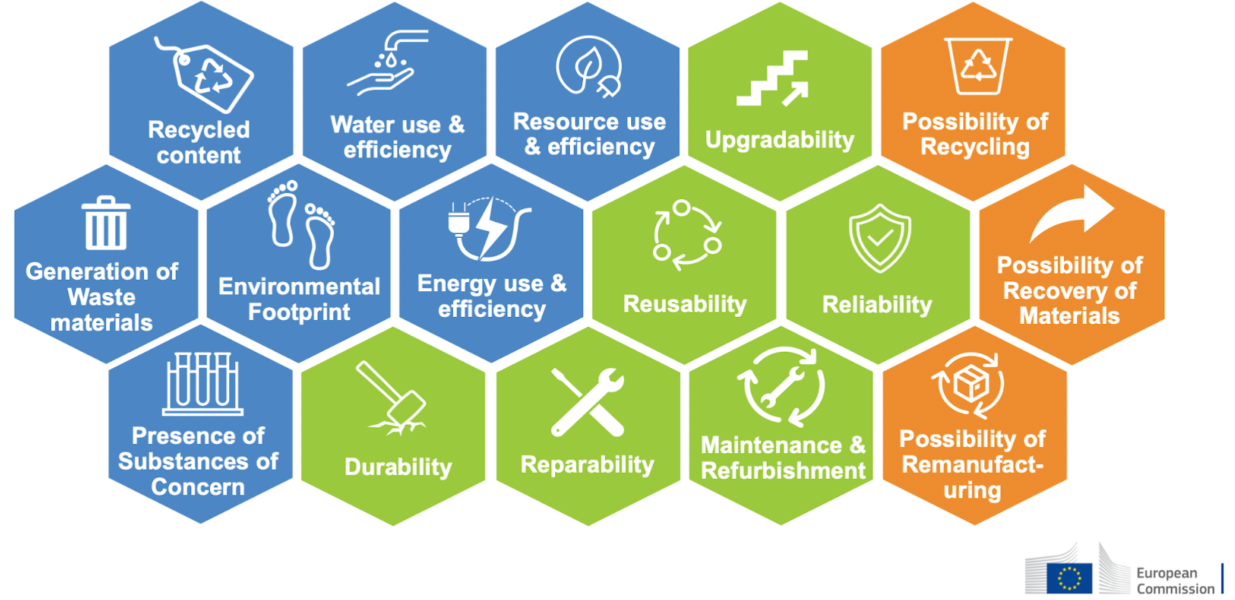
For example, DPPs allow customers to access information on how to repair, resell, or recycle products, extending their lifespan and minimizing environmental harm. Brands that embrace this technology can not only comply with sustainability regulations but also attract eco-conscious customers and investors. Discover more about the environmental benefits in Circularity in Action: Leveraging Digital Product Passports for a Greener Future.
6. Transforming Customer Trust Through Enhanced Traceability and Transparency
DPPs are revolutionizing customer engagement by turning products into interactive, data-rich experiences. Brands that utilize DPPs can:
- Build trust through verified product data, including origin, materials, and environmental impact.
- Offer personalized services, such as maintenance alerts or loyalty rewards, based on customer behavior and product usage.
- Combat counterfeiting by providing customers with a digital certificate of authenticity, which is particularly valuable in luxury and premium industries.
For luxury brands, DPPs are becoming a hallmark of exclusivity and trust. Learn how DPPs are redefining the luxury market in The Future of Luxury: Digital Product Passports as the Key to Authenticity, Exclusivity, and Unmatched Customer Experience.
7. Data Management in the DPP Era: Turning Challenges into Competitive Solutions
While DPPs offer transformative benefits, they also introduce challenges in data management and security. Brands must address:
- Data accuracy: Ensuring that product data is complete, up-to-date, and consistent across global supply chains.
- Cybersecurity: Protecting data from breaches and unauthorized access, while complying with GDPR and other privacy regulations.
- Scalability: Implementing solutions that can grow with the market and adapt to evolving industry standards.
The key to overcoming these challenges lies in partnering with experienced DPP providers who offer robust, secure, and scalable solutions. For best practices, read Digital Passport Solution: How to Deploy It Effectively.
8. A Global Perspective: DPP Adoption in Europe, North America, Asia Pacific, and Beyond
The global market for DPPs is evolving rapidly, with distinct trends emerging in different regions:
- Europe: The leader in DPP adoption, driven by strict sustainability regulations and a culture of transparency.
- North America: Customer demand and voluntary initiatives are accelerating adoption, particularly in fashion, electronics, and automotive industries.
- Asia Pacific: The fastest-growing market, with China and India investing heavily in DPP technology to enhance traceability and sustainability in manufacturing.
- Latin America and Middle East: Emerging markets where DPPs are gaining traction as a solution for improving supply chain transparency and reducing environmental impact.
Conclusion
As we move toward 2026, digital passport trends are reshaping industries, driving sustainability, and redefining customer experiences. DPPs are no longer just a regulatory requirementthey are a strategic solution for brands that want to thrive in a market defined by transparency, traceability, and environmental responsibility.
The time to act is now. Whether you're just beginning your DPP journey or looking to optimize an existing solution, Legitag provides the technology, expertise, and support to transform your product data into a strategic asset. Book a demo to discover how we can help your brand lead the way in sustainability, customer engagement, and industry innovation.
FAQ
Q: What is a Digital Product Passport (DPP)?
A: A digital product passport is a digital identity for a product, containing verified data about its origin, materials, environmental impact, and lifecycle. It enhances traceability, sustainability, and customer trust. For a full explanation, read What Is a Digital Product Passport? Everything You Need to Know.
Q: Which industries are most affected by DPP regulations in 2026?
A: The EU's ESPR will initially require DPPs for textiles, batteries, electronics, and furniture, with other industries to follow by 2030. Europe is leading the charge, but the impact will be global. Learn more in Who Needs a Digital Product Passport? Industries Leading the Adoption.
Q: How can DPPs help my brand stand out in a competitive market?
A: DPPs enable brands to demonstrate sustainability, authenticity, and transparencyqualities that today's customers value highly. They also provide actionable data for improving product experience management and supply chain efficiency. To explore how Legitag's solution can benefit your brand, request a demo.
Q: What are the biggest challenges in implementing DPPs, and how can they be overcome?
A: The main challenges include data management, ensuring traceability across complex supply chains, and integrating DPP technology with existing systems. However, with the right solution and expertise, these challenges can be turned into opportunities for innovation and growth. For a step-by-step guide, visit Digital Passport Solution: How to Deploy It Effectfully.