

Summary:
1. What Is a Digital Product Passport for Art?
2. The Role of DPP in Art Authentication and Provenance
3. How Digital Product Passports Enhance Collector Trust and Engagement
4. Regulatory Landscape: EU Standards and Compliance for Artworks
5. Implementing DPP in the Art World: Practical Steps for Galleries and Artists
Introduction
In an era where authenticity and transparency are paramount, the art world faces unique challenges. Forgeries, unclear provenance, and the lack of standardized documentation can undermine trust between collectors, galleries, and artists. Enter the digital product passport for arta revolutionary tool that leverages techniques in digital documentation to secure the legacy of artworks, from classical paintings to contemporary digital painting software creations. As the European Union rolls out its Digital Product Passport (DPP) initiative, the art sector stands to benefit immensely. This innovative standard for product traceability not only combats counterfeiting but also fosters deeper connections between creators and collectors, ensuring every piece of art carries a verified, immutable history.
For brands and institutions in the art industry, adopting DPP is more than a compliance exercise; it's a strategic move to enhance credibility, streamline operations, and unlock new opportunities for engagement. Whether you're an artist, gallery owner, or collector, understanding how digital product passports workand how to implement themis essential for navigating the future of the art market.
1. What Is a Digital Product Passport for Art?
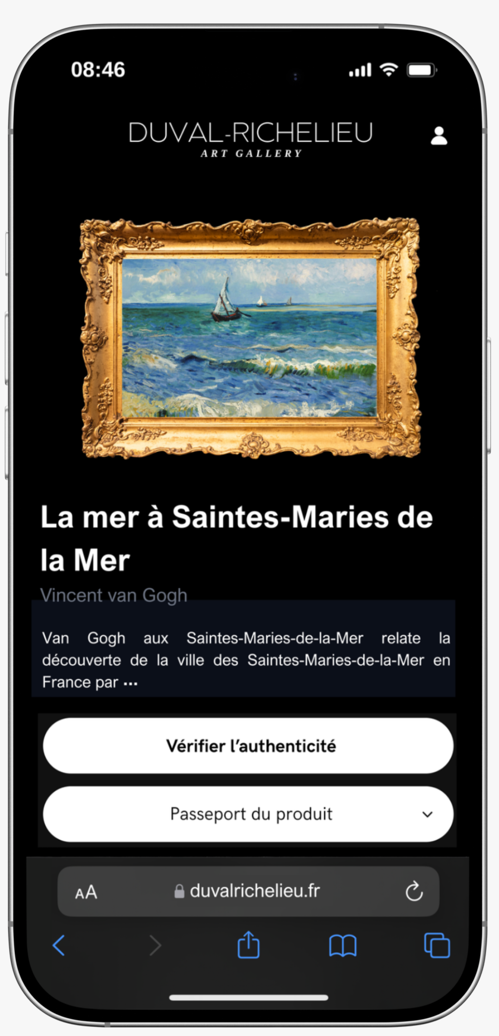
A digital product passport for art is a comprehensive digital record attached to an artwork, providing detailed information about its origin, materials, ownership history, and authenticity. Unlike traditional certificates, which can be lost, forged, or altered, a DPP is securely linked to the physical or digital work of art via a unique identifier, such as a QR code or NFC tag. This tool ensures that every scan reveals a trusted, up-to-date profile of the piece, accessible to collectors, auction houses, and regulators alike.
The DPP concept is rooted in the broader Ecodesign for Sustainable Products Regulation (ESPR), which mandates digital passports for a wide range of products sold in the EU. While the initial focus has been on sectors like textiles and electronics, the principles of transparency and traceability are equally transformative for art and cultural goods. By embedding a digital product passport, artists and galleries can offer collectors an unprecedented level of confidence in the artworks they acquire, while also complying with evolving law/right frameworks aimed at curbing illicit trade and forgery.
2. The Role of DPP in Art Authentication and Provenance
Ensuring Authenticity in a Digital Age
The art market has long grappled with the issue of forgery. High-profile cases, such as the discovery of fake works attributed to masters like Picasso or Modigliani, highlight the need for robust authentication tools. A digital product passport addresses this by creating a tamper-proof digital twin of each artwork, documenting its creation, ownership transfers, and exhibition history. This standard for provenance not only deters counterfeiters but also simplifies the due diligence process for buyers and sellers.
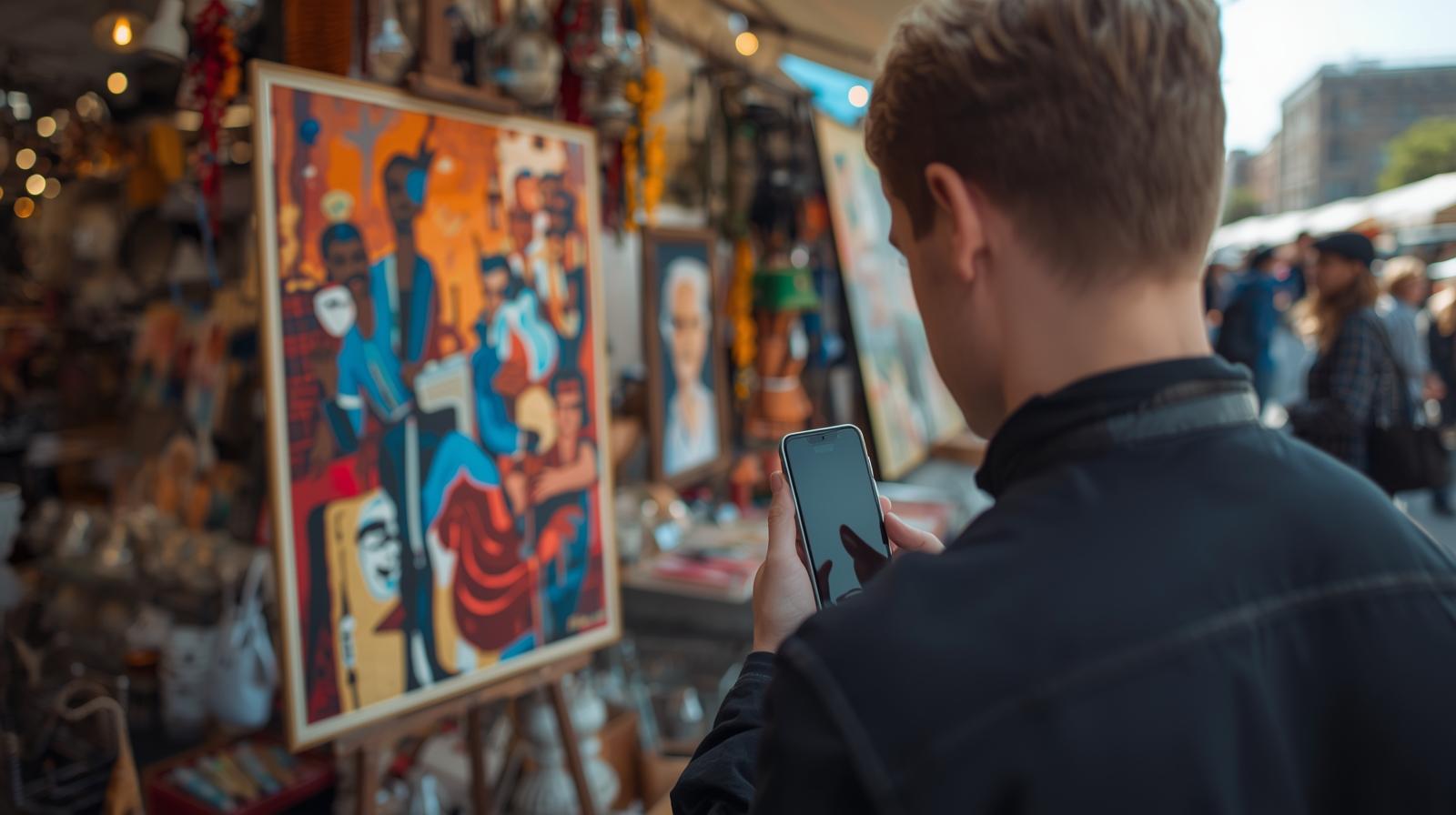
For instance, when a collector scans a DPP linked to a sculpture, they can instantly verify its authenticity, view its composition details, and trace its journey from the artist's studio to the current owner. This level of transparency is particularly valuable for high-value artworks, where provenance can significantly impact valuation and desirability.
Supporting the Resale Market
The resale market for art thrives on trust. With a DPP, secondary market transactions become more secure, as each work carries a verified digital history. This is especially relevant for digital art and NFTs, where the line between original and reproduction can blur. By integrating digital product passports, platforms and galleries can provide buyers with irrefutable proof of authenticity, reducing the risk of disputes and fraud.
Facilitating Compliance with Law/Right Frameworks
The EU's Import of Cultural Goods System (ICG), effective since June 2025, requires strict documentation for art and cultural property entering the EU. A DPP aligns with these requirements by providing a standardized, digital format for the information customs authorities need to assess the legitimacy of imported artworks. This not only streamlines compliance but also positions galleries and artists as responsible participants in the global art trade.
3. How Digital Product Passports Enhance Collector Trust and Engagement
Building Long-Term Relationships
A digital product passport is more than a static recordit's a dynamic platform for engagement. Artists and galleries can use DPP to share exclusive content, such as behind-the-scenes images, artist interviews, or conservation notes, directly with collectors. This ongoing dialogue fosters loyalty and turns a one-time purchase into a lasting relationship.
For example, a painter could use the DPP to invite collectors to virtual studio tours or notify them of upcoming exhibitions. Such interactions transform the artwork from a mere object into a gateway for immersive experiences, deepening the emotional connection between the collector and the piece.
Empowering Collectors with Data
Collectors today demand transparency. A DPP empowers them with real-time access to information about their artworks, including condition reports, restoration histories, and even environmental impact data for materials used. This transparency builds trust and positions brands as leaders in ethical and sustainable practicesqualities increasingly valued by modern art enthusiasts.
4. Regulatory Landscape: EU Standards and Compliance for Artworks
Key Regulations and Deadlines
The EU's Ecodesign for Sustainable Products Regulation (ESPR) sets the stage for DPP adoption across industries, including art. While artworks are not yet explicitly listed among the first product categories requiring DPP, the regulation's emphasis on traceability and authenticity makes it a natural fit for the sector. The first delegated acts, expected in 20252026, will clarify specific requirements, but early adopters in the art world can gain a competitive edge by implementing digital product passports now.
Harmonized Standards and Interoperability
To ensure DPP systems are effective, they must adhere to harmonized standards, such as ISO/IEC 15459:2015, which governs unique product identifiers. This standardization ensures that digital product passports for art are interoperable with other EU systems, such as customs databases and sustainability platforms. For galleries and artists, this means choosing DPP solutions that comply with these standards is critical for seamless integration and future-proofing.
Data Privacy and Security
Collecting and sharing data via DPP must comply with GDPR and other law/right frameworks. Digital product passports should incorporate access controls, allowing artists and galleries to determine what information is public and what remains restricted. This balance between transparency and privacy is essential for maintaining collector trust and regulatory compliance.
5. Implementing DPP in the Art World: Practical Steps for Galleries and Artists
Step 1: Choose the Right DPP Solution
Not all digital product passport platforms are created equal. Artists and galleries should seek solutions that offer intuitive interfaces, robust security, and scalability. For those without in-house IT teams, partnering with a provider like Legitagspecializing in DPP for luxury and high-value goodscan simplify deployment and ensure compliance.
Step 2: Integrate DPP into Existing Workflows
The most effective DPP implementations are those that integrate seamlessly with existing processes. This might involve linking the digital product passport to inventory management systems, CRM platforms, or e-commerce sites. Training staff on how to update and maintain DPP records is also crucial for long-term success.
Step 3: Educate Collectors and Stakeholders
Adoption hinges on awareness. Galleries and artists should proactively communicate the benefits of DPP to collectors, emphasizing how it enhances authenticity, simplifies resale, and enriches the ownership experience. Workshops, webinars, and clear in-gallery signage can help demystify the tool and encourage engagement.
Step 4: Leverage DPP for Marketing and Storytelling
A digital product passport is a powerful storytelling tool. By highlighting the unique journey of each artworkfrom conception to collectionartists and galleries can create compelling narratives that resonate with buyers. This approach not only drives sales but also elevates the brand's reputation for innovation and transparency.
Conclusion
The introduction of digital product passports for art marks a pivotal moment for the industry. By embracing this standard for transparency and authenticity, artists, galleries, and collectors can protect artworks, strengthen trust, and unlock new opportunities for engagement. As regulatory frameworks evolve and consumer expectations rise, DPP will become an indispensable tool for anyone serious about the future of art.
For brands ready to take the next step, exploring digital product passport solutions tailored to the unique needs of the art world is the first move toward a more secure, connected, and sustainable market. Whether you're safeguarding a single masterpiece or an entire collection, DPP offers a pathway to greater confidence, compliance, and collector satisfaction.
FAQ
Q: Is a digital product passport mandatory for all artworks in the EU?
A: While DPP is not yet mandatory for art, the EU's broader push for product transparency makes early adoption a strategic advantage. Staying ahead of regulatory trends ensures compliance and positions your brand as a leader in authenticity and trust. For more on DPP deadlines and requirements, explore our guide on Digital Product Passport Regulation: What Brands Need to Know to Stay Compliant.
Q: How can DPP help my gallery combat counterfeiting?
A: A digital product passport provides a tamper-proof digital record of each artwork, making it nearly impossible for forgers to replicate or alter provenance. This not only protects your brand's reputation but also reassures collectors of the authenticity of their purchases. To see how DPP works in action, request a demo of Legitag's solution].
Q: Can DPP be used for both physical and digital artworks?
A: Absolutely. Digital product passports are versatile tools that can authenticate everything from oil paintings to digital art created with digital painting software. The same principles of traceability and transparency apply, regardless of the medium. Learn more about the versatility of DPP in our article, Who Needs a Digital Product Passport? Industries Leading the Adoption.