

Summary:
1. Understanding the Digital Product Passport and Its Regulatory Framework
2. Key Deadlines for Digital Product Passports in 2025 and Beyond
3. Sector-Specific Requirements: Batteries, Textiles, and Critical Raw Materials
4. How Brands Can Prepare for DPP Compliance
5. The Strategic Advantages of Early DPP Adoption
Introduction
The digital product passport (DPP) is rapidly becoming a cornerstone of European Union sustainability and transparency initiatives. As part of the Ecodesign for Sustainable Products Regulation (ESPR), the DPP will transform how products are tracked, authenticated, and managed throughout their lifecycle. For brands operating in or selling to the EU, understanding the digital product passport date and compliance requirements is not just a legal necessityit's a strategic opportunity to enhance supply chain transparency, build consumer trust, and future-proof your business.
The European Commission has set clear milestones for the rollout of DPPs, with the first major deadlines approaching in 2025. These passports will be mandatory for a wide range of products, from batteries and textiles to fashion and electronics, ensuring that every item's journeyfrom raw materials to end-of-lifeis documented, verifiable, and accessible. For businesses, this means adapting to new regulation, but also leveraging digital product passports to drive innovation, improve circular economy practices, and meet evolving consumer expectations for sustainable products.
In this article, we'll break down the critical DPP deadlines, explain what they mean for your brand, and provide actionable insights to help you navigate this transition smoothly.
1. Understanding the Digital Product Passport and Its Regulatory Framework
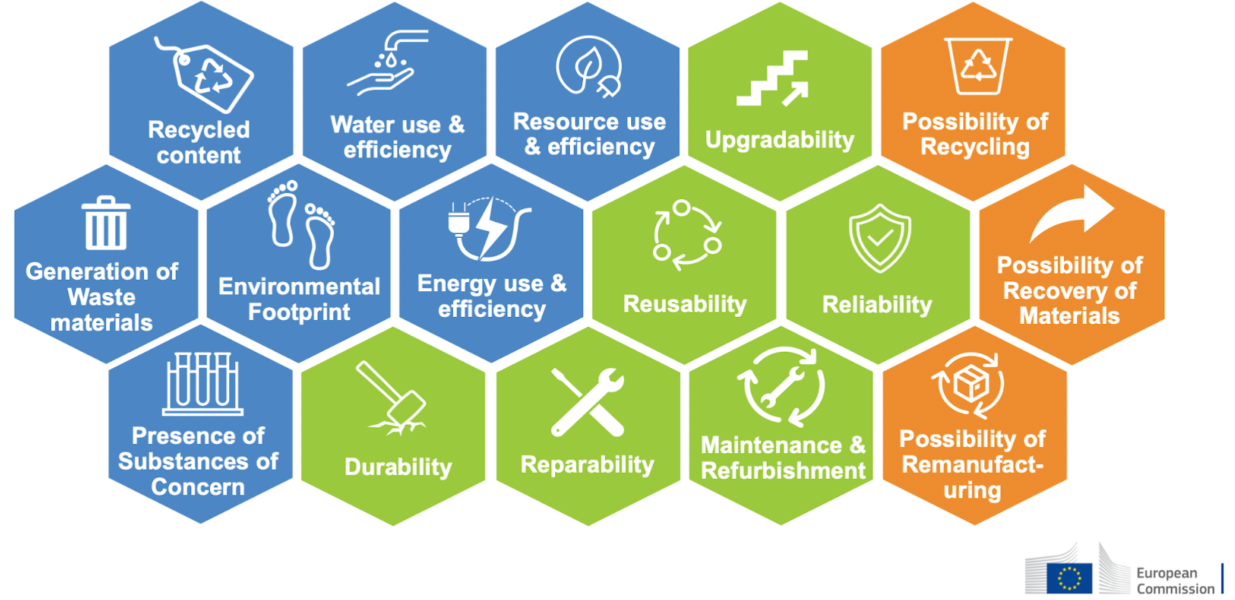
The Digital Product Passport (DPP) is a digital record that contains comprehensive information about a product's origin, composition, environmental impact, and lifecycle. It is a key component of the EU's broader push for a circular economy, as outlined in the European Green Deal and the Circular Economy Action Plan. The DPP is designed to enhance transparency, reduce waste, and support sustainable business models by making product data accessible to consumers, regulators, and businesses alike.
The Role of the Ecodesign for Sustainable Products Regulation (ESPR)
The ESPR, which entered into force in July 2024, replaces the previous Ecodesign Directive and expands its scope to cover nearly all physical products sold in the EUexcluding only food, feed, and medicinal products. The regulation mandates that products must meet stricter sustainability and circularity criteria, with the DPP serving as a central tool for compliance and data sharing.
Source : European commission
Why the DPP Matters for Brands
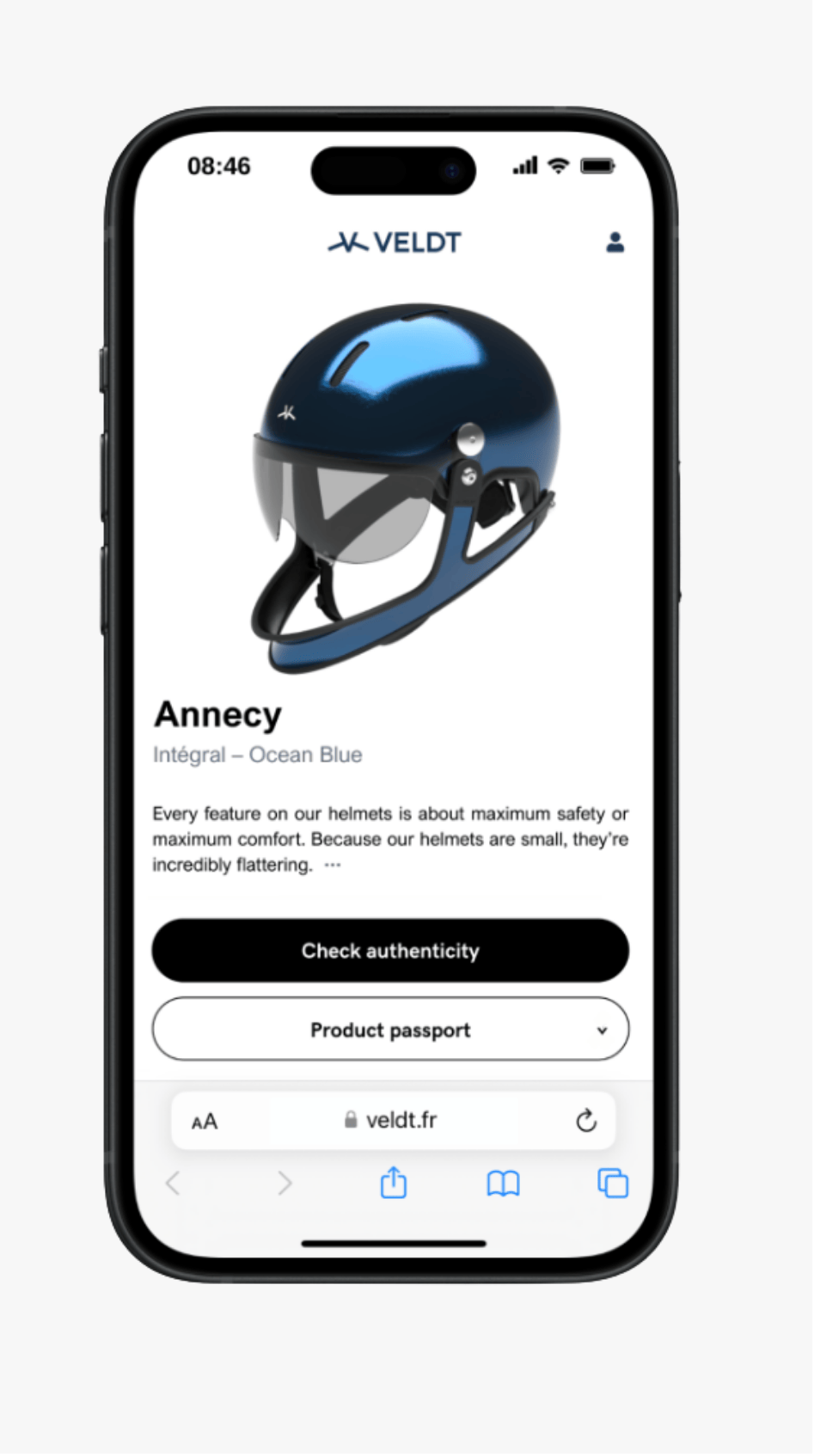
The DPP is more than a compliance tool; it's a gateway to supply chain transparency, product authentication, and consumer engagement. By providing a unique product identifier and detailed lifecycle data, brands can:
- Combat counterfeiting and protect their reputation.
- Meet carbon footprint declarations and other ESG reporting requirements.
- Strengthen customer relationships by offering verifiable proof of sustainability and ethical sourcing.
For a deeper dive into what a DPP is and how it works, explore our guide: What Is a Digital Product Passport? Everything You Need to Know.
2. Key Deadlines for Digital Product Passports in 2025 and Beyond
The European Commission has established a phased approach to DPP implementation, with the first major deadlines in 2025. Here's what you need to know:
April 19, 2025: The First Major Milestone
By April 19, 2025, the European Commission will adopt the first working plan for the ESPR, identifying the initial product groups subject to DPP requirements. This plan will outline which productssuch as textiles, furniture, iron, steel, and aluminummust comply first, and what data must be included in their passports.
- Manufacturers, importers, distributors, and retailers of these products must ensure their DPPs are accessible by this date.
- The Commission will also launch a public consultation to gather stakeholder feedback on data storage, management, and certification schemes for DPP service providers.
Source
July 2025: DPP Registry and Unique Identifiers
By July 2026, the European Commission will establish a DPP registry, housing unique identifiers for all regulated products. This registry will be the backbone of the DPP system, ensuring interoperability and easy access to product passports data across the EU.
2027: Battery Passports Become Mandatory
For battery manufacturers, the timeline is even more pressing. Starting February 18, 2027, all electric vehicle (EV) and industrial batteries must include a Battery Passport. This passport will document the battery's lifecycle, including carbon footprint, critical raw materials sourcing, and recycling information.
- February 18, 2025: Manufacturers must begin calculating and declaring the carbon footprint for each battery model and manufacturing plant.
- August 18, 2025: The EU Battery Regulation fully replaces the previous Battery Directive, introducing stricter due diligence and traceability requirements.
Source : European commission
Beyond 2027: Expanding DPP Requirements
The European Commission will continue to expand the list of products requiring DPPs through 2030. This includes toys, detergents, and construction materials, with each sector facing its own set of requirements and deadlines.
3. Sector-Specific Requirements: Batteries, Textiles, and Critical Raw Materials
Batteries: Leading the Charge
The battery sector is at the forefront of DPP adoption. By 2027, all EV and industrial batteries must have a Battery Passport, which will include:
- Carbon footprint declarations for each manufacturing batch.
- Critical raw materials sourcing and recycling data.
- Unique product identifiers for traceability.
For brands in the battery supply chain, early preparation is essential. The Battery Passport will not only ensure compliance but also enable new business models based on circularity and data sharing.
Textiles and Fashion: A Focus on Transparency
Textiles and fashion are among the first product groups prioritized under the ESPR. By 2025, brands must be ready to provide DPPs for clothing and footwear, with a focus on:
- Recycled content and origin information.
- Environmental impacts throughout the supply chain.
Critical Raw Materials: Securing the Supply Chain
The Critical Raw Materials Act (CRMA) integrates with the DPP to enhance transparency and security for materials like cobalt, lithium, and rare earths. From November 2025, the Commission will adopt formats for labeling products containing these materials, ensuring their passports include detailed sourcing and recyclability .
4. How Brands Can Prepare for DPP Compliance
Step 1: Assess Your Product Portfolio
Identify which of your products fall under the initial ESPR working plan. The European Commission has prioritized textiles, fashion, iron, steel, aluminum, and batteries, but the list will grow.
Step 2: Invest in Digital Infrastructure
Implementation of DPPs requires robust digital infrastructure. Invest in systems that can generate, store, and update DPP data. This may involve integrating QR codes, NFC chips, or RFID tags into your products, as well as adopting cloud-based platforms for data management.
Step 3: Partner with DPP Solution Providers
Choosing the right DPP solution is critical. Look for providers that offer:
- Interoperability with EU systems and other digital passports.
- GDPR-compliant data collection and storage.
- User-friendly interfaces for both brands and consumers.
For guidance on deploying a DPP solution, read our article: Digital Passport Solution: How to Deploy It Effectively Steps and Best Practices for Brands.

Step 4: Train Your Team and Stakeholders
Ensure your team understands the regulation, requirements, and benefits of DPPs. This includes training for supply chain partners, sales teams, and customer support.
5. The Strategic Advantages of Early DPP Adoption
Beyond compliance, early adoption of DPPs offers brands a competitive edge:
- Enhanced brand trust: Consumers increasingly demand transparency and sustainability.
- Improved supply chain efficiency: DPPs provide real-time insights into product flows and carbon footprint.
- New revenue streams: Data from DPPs can inform product innovation, recycling programs, and circular business models.
For more on how DPPs can transform your business, see: Top 5 Benefits of Digital Product Passports for Brands and Consumers.
Conclusion
The digital product passport date is not just a regulatory deadlineit's a catalyst for change. By embracing DPPs, brands can turn compliance into a strategic advantage, driving transparency, sustainability, and customer engagement. The European Commission has set clear timelines, and the time to act is now.
Whether you're in batteries, textiles, fashion, or another regulated sector, preparing for DPPs today will position your brand as a leader in the circular economy and ensure you're ready for the future of product traceability.
FAQ
Q: Is the Digital Product Passport mandatory for all products in the EU?
A: The DPP will be mandatory for prioritized product groups, starting with textiles, batteries, and construction materials. The European Commission will expand the list over time. For a full overview, visit: Is the Digital Product Passport Mandatory? Understanding EU Requirements.
Q: How can Legitag help my brand comply with DPP requirements?
A: Legitag offers a comprehensive DPP solution that simplifies compliance, enhances product authentication, and unlocks consumer data insights. Request a demo to see how our platform works.
Q: What data must be included in a Digital Product Passport?
A: The DPP must include product identification, material composition, carbon footprint, recyclability, and supply chain information. Requirements vary by product group. Learn more: Digital Product Passport Data Requirements: What Information Must You Include?.