

Summary
1. The EU's Push for Sustainability: Understanding the Regulatory Landscape
2. What Is a Digital Product Passport Furniture and Why Does It Matter?
3. Key Data Requirements for Digital Product Passport Furniture
4. How Digital Product Passports Transform the Furniture Industry
5. Implementing Digital Product Passports: Steps and Best Practices for Furniture Brands
Introduction
The furniture industry stands at the brink of a transformative shift. As global awareness of environmental impact grows, so does the demand for transparency and sustainability in product manufacturing and consumption. At the heart of this change is the Digital Product Passport (DPP), a groundbreaking tool designed to provide comprehensive, lifecycle-based data for every piece of furniture. By 2027-2028, the European Union will mandate Digital Product Passport Furniture for all products entering its market, marking a pivotal moment for manufacturers, retailers, and consumers alike.
This article explores how Digital Product Passports are reshaping the furniture sector, ensuring compliance with new regulations, and unlocking opportunities for brands to build trust, enhance sustainability, and drive innovation. Whether you're a furniture producer, retailer, or industry observer, understanding the implications of DPPs is essential for navigating the future of sustainable commerce.
1. The EU's Push for Sustainability: Understanding the Regulatory Landscape
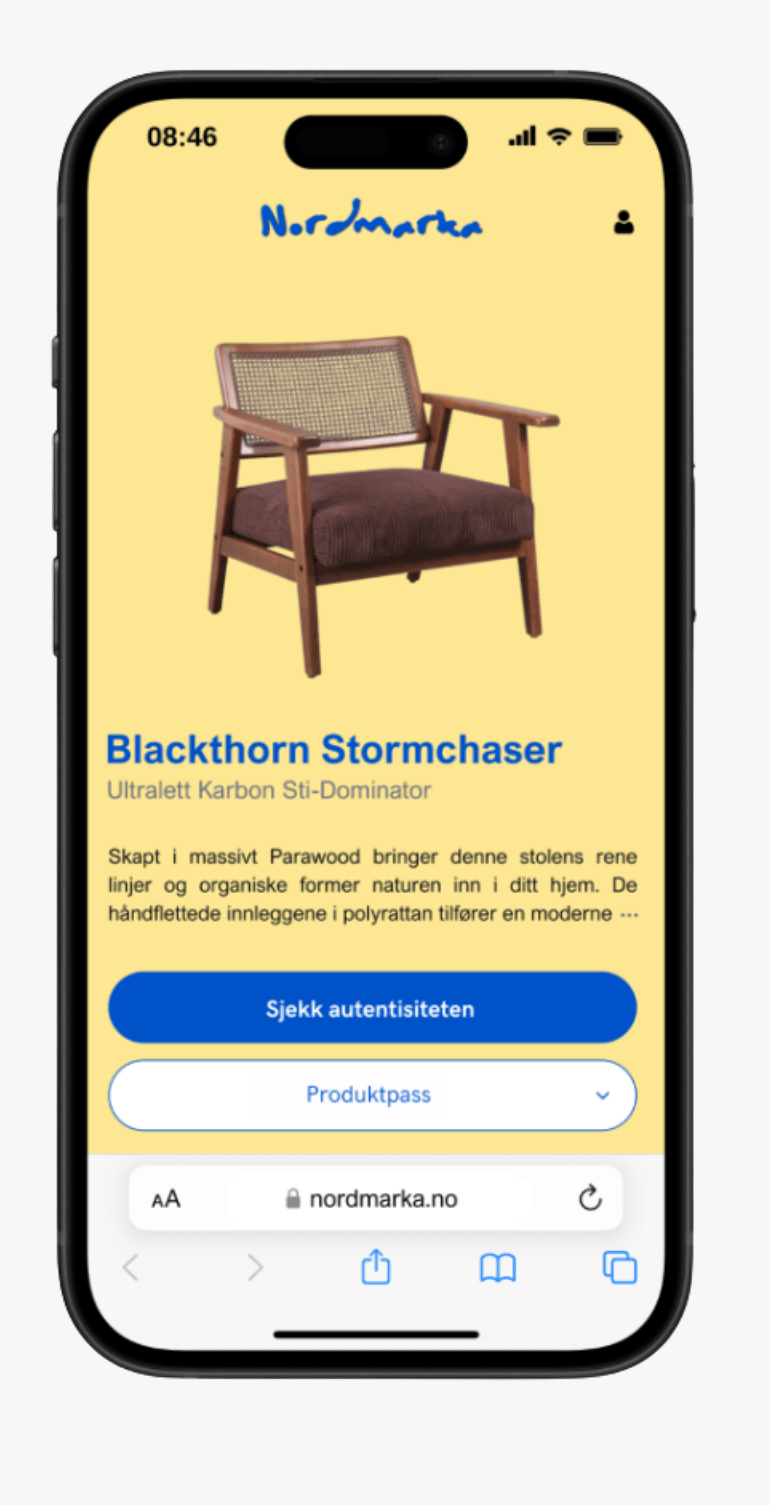
The European Union has long been a leader in environmental regulation, and its latest initiatives are no exception. The Ecodesign for Sustainable Products Regulation (ESPR), Corporate Sustainability Reporting Directive (CSRD), and Circular Economy Action Plan (CEAP) form the backbone of a robust framework aimed at reducing waste, promoting circularity, and empowering consumers with transparent product information.
The Role of ESPR and CSRD
The ESPR is the cornerstone of the EU's strategy to integrate Digital Product Passports into high-impact industries, including furniture. By 2027-2028, all furniture products sold in the EU must carry a DPP, providing detailed data on materials, origin, environmental impact, and end-of-life options. This regulation is not just about complianceit's about fostering a circular economy where products are designed for longevity, repairability, and recyclability.
The CSRD complements the ESPR by requiring companies to disclose comprehensive environmental, social, and governance (ESG) data, ensuring that sustainability claims are backed by verifiable evidence. Together, these regulations create a powerful incentive for furniture brands to adopt digital solutions that enhance transparency and accountability across the supply chain.
Why Furniture?
Furniture is a priority sector due to its significant environmental footprint. From deforestation to chemical use and waste generation, the industry's practices have far-reaching consequences. By mandating Digital Product Passports, the EU aims to address these challenges head-on, encouraging brands to adopt sustainable products and circular business models that minimize waste and maximize resource efficiency.
2. What Is a Digital Product Passport for furniture and why does it matter?
A Digital Product Passport Furniture is a digital record that accompanies each piece of furniture, offering a complete overview of its lifecycle. This passport includes critical information such as:
- Material composition: A breakdown of all materials used, their origins, and environmental impact.
- Supply chain traceability: Details on manufacturing processes, locations, and sustainability certifications.
- Environmental footprint: Data on carbon emissions, water use, and energy efficiency.
- Circularity information: Instructions for maintenance, repair, and recycling, ensuring that products remain in use for as long as possible.
The Value of Transparency
For consumers, DPPs provide unprecedented access to information, enabling informed purchasing decisions and fostering trust in brands. For businesses, they offer a tool to differentiate themselves in a competitive market, demonstrate compliance with products regulation, and align with the growing demand for sustainable products.
3. Key Data Requirements for Digital Product Passport Furniture
To comply with EU regulations, Digital Product Passports must include standardized, machine-readable data that covers every stage of a product's lifecycle. Key data categories include:
- Product description: Type, dimensions, and functional attributes.
- Material composition: Sourcing, environmental impact, and recyclability.
- Supply chain traceability: Manufacturing details and certifications.
- Environmental footprint: Lifecycle assessment data, including carbon emissions and resource use.
- Circularity information: Repair, reuse, and recycling instructions.
Ensuring Data Accuracy and Accessibility
The success of DPPs hinges on the accuracy and accessibility of the data they contain. Furniture brands must invest in robust data storage systems and collaborate closely with suppliers to gather and verify information. This requires a shift from traditional record-keeping to digital platforms capable of handling complex, dynamic datasets.
4. How Digital Product Passports Transform the Furniture Industry
The adoption of Digital Product Passports is more than a regulatory requirementit's an opportunity for innovation. Brands that embrace DPPs can unlock a range of benefits:
- Enhanced consumer trust: Transparent product data builds credibility and loyalty.
- Operational efficiency: Streamlined data management reduces administrative costs and improves compliance.
- New business models: DPPs enable brands to explore circular business models, such as product-as-a-service, resale, and take-back programs.
- Market differentiation: Early adopters can position themselves as leaders in sustainability, attracting eco-conscious consumers and partners.
Case Study: Early Adopters Lead the Way
Brands that have already begun implementing Digital Product Passports are reaping the rewards. By leveraging digital tools to track and share product data, they are not only meeting regulatory requirements but also creating value through improved customer engagement and operational resilience.

5. Implementing Digital Product Passports: Steps and Best Practices for Furniture Brands
Step 1: Audit Your Data
Begin by assessing your current product data to identify gaps and ensure compliance with DPP requirements. Engage with suppliers to gather structured, verifiable information.
Step 2: Invest in Technology
Adopt Product Information Management (PIM) systems to centralize and manage product data. These platforms support digital labelling, automate updates, and ensure data accuracy across all channels.
Step 3: Pilot and Scale
Start with a pilot program for a select range of products, testing your DPP infrastructure and refining processes before full-scale implementation.
Step 4: Communicate the Value
Use your Digital Product Passport as a marketing tool. Highlight your commitment to sustainability and transparency to attract consumers who prioritize sustainable products.
Conclusion
The introduction of Digital Product Passports marks a turning point for the furniture industry. By embracing this regulation, brands can not only ensure compliance but also drive innovation, build trust, and contribute to a more sustainable future. As the EU's action plan unfolds, early adopters will be best positioned to thrive in a market that increasingly values transparency and circularity.
For furniture brands, the message is clear: the time to act is now. By investing in Digital Product Passports, you can turn regulatory requirements into a competitive advantage, setting the stage for long-term success in a circular economy.
FAQ
Q: What is the timeline for implementing Digital Product Passports in the furniture industry?
A: The EU's ESPR mandates that Digital Product Passports for furniture will be required by 2027-2028. Brands should begin preparing now to ensure a smooth transition and avoid last-minute challenges.
Q: How can Legitag help my brand implement Digital Product Passports?
A: Legitag offers a comprehensive DPP solution tailored to the furniture industry. Our platform ensures seamless data integration, compliance with ESPR, and enhanced customer engagement. Learn more about our demo here.
Q: What are the risks of not complying with Digital Product Passport regulations?
A: Non-compliance with DPP regulations can result in market restrictions, fines, and reputational damage. By proactively adopting Digital Product Passports, brands can avoid these risks and position themselves as leaders in sustainability.