

Summary:
1. The Rise of Digital Product Passports in the Luxury Sector
2. Combating Counterfeiting and Preserving Exclusivity
3. Elevating Customer Engagement Through Digital Innovation
4. Navigating New Regulations with Confidence
5. The Power of NFC in Luxury Authentication
Introduction
The luxury sector is undergoing a profound transformation. Today's discerning consumers seek more than just exceptional craftsmanshipthey demand transparency, sustainability, and proof of authenticity. Enter the Digital Product Passport (DPP), a revolutionary tool that is reshaping how premium brands connect with their audience. Far beyond a compliance requirement, DPPs offer a unique opportunity to enhance customer experience, secure brand heritage, and foster lasting loyalty.
In a world where counterfeiting and greenwashing threaten trust, these digital solutions provide a robust framework for traceability, ownership verification, and meaningful post-purchase interactions. By embedding digital certificates into high-end items, luxury houses can bridge the gap between physical excellence and digital trust, turning every purchase into a story of craftsmanship and integrity.
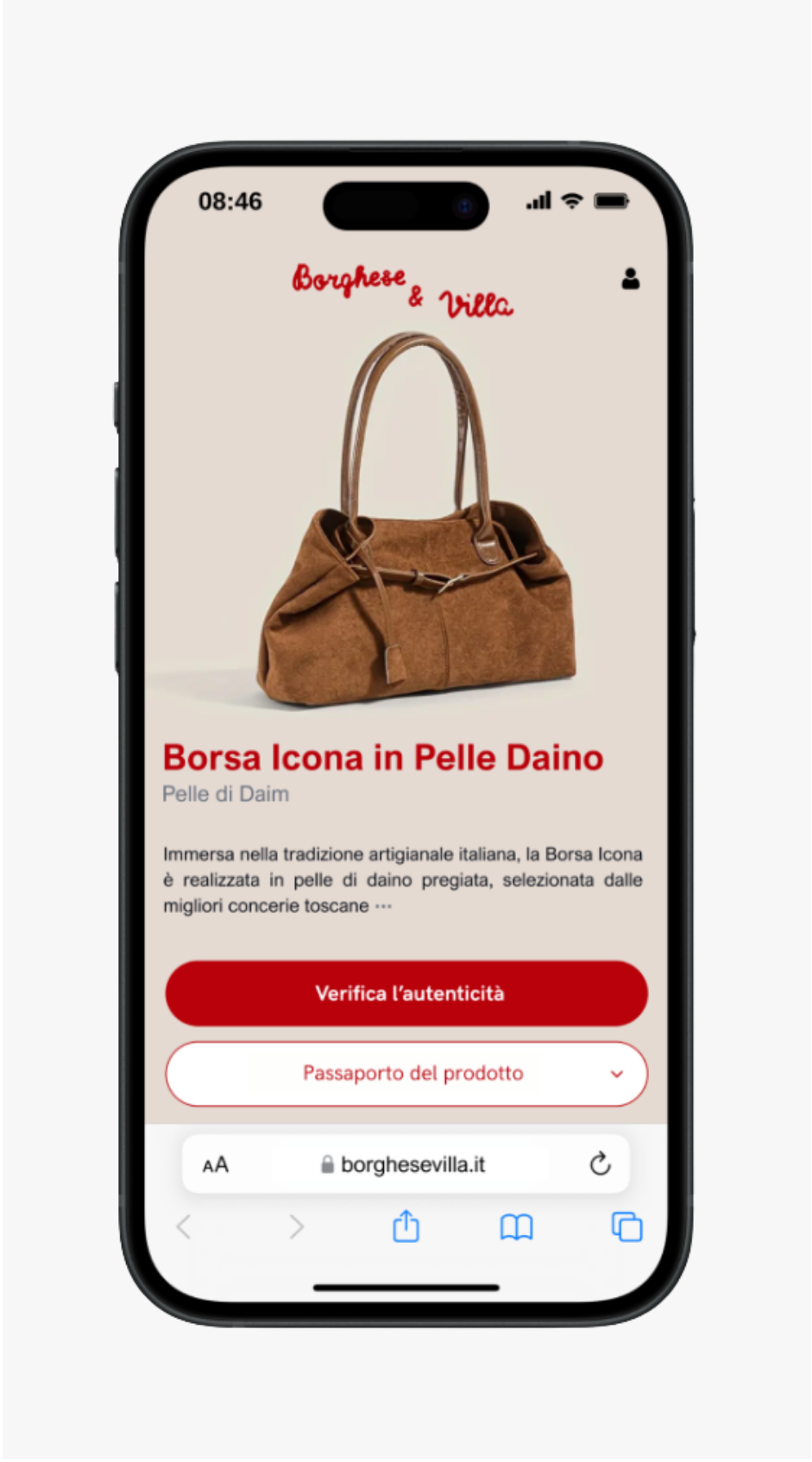
1. The Rise of Digital Product Passports in the Luxury Sector
The adoption of Digital Product Passports is gaining momentum, driven by evolving regulations and changing consumer expectations. The European Union's Ecodesign for Sustainable Products Regulation (ESPR) will soon require DPPs for many categories sold in Europe, with initial rollouts expected by 2027data.europa.eu+2. This shift reflects a broader movement toward accountability and transparency, pushing brands to reimagine how they manage product lifecycles.
Pioneers like Louis Vuitton and Prada are already leveraging this technology to offer consumers unprecedented insights into origin, materials, and environmental impact. According to Deloitte, early adopters gain more than compliancethey unlock new revenue streams, protect their reputation, and deepen consumer.
Source : Data Europa
The fashion world, in particular, is embracing DPPs as a tool to differentiate in a competitive landscape. By providing a digital identity for each item, brands transform transactions into lasting relationships, proving their commitment to authenticity and sustainability.
2. Combating Counterfeiting and Preserving Exclusivity
Counterfeit goods remain a critical threat to the luxury sector, costing billions annually and eroding consumer confidence. Jean-Noël Kapferer, a leading expert in premium branding, argues in The Luxury Strategy that counterfeiting undermines the pillars of luxury: exclusivity, craftsmanship, and emotional value. When inferior replicas flood the market, they dilute the distinctiveness that defines true luxurydamaging both sales and brand.
Digital Product Passports provide a powerful antidote. Through secure NFC tags or encrypted QR codes, consumers can instantly verify an item's authenticity, ensuring their investment is genuine. This technology doesn't just deter fraud; it reinforces the emotional connection between brands and their clients, preserving the rarity and prestige that consumers cherish.
For brands, this is about more than protectionit's about safeguarding the intangible qualities that make luxury desirable. By adopting DPPs, companies can restore confidence and reaffirm their commitment to excellence.
3. Elevating Customer Engagement Through Digital Innovation
The luxury experience extends far beyond the point of sale. Digital Product Passports enable brands to offer consumers a dynamic, interactive journey with their purchases. Imagine accessing behind-the-scenes content, personalized care instructions, or exclusive event invitationsall tied to a single item. This level of engagement transforms consumers into loyal advocates.
Post-purchase interactions become seamless with DPPs. Brands can maintain direct communication, offering tailored services, loyalty rewards, or even resale assistance. These ongoing touchpoints not only enhance satisfaction but also provide valuable insights to refine future offerings.
In an era where consumers crave connection, DPPs turn ordinary transactions into extraordinary experiences, fostering brand loyalty that lasts a lifetime.
4. Navigating New Regulations with Confidence
The European Union is leading the charge in standardizing Digital Product Passports, with the ESPR mandating their use across key categories. While textiles, electronics, and furniture are first in line, the scope will expand, making DPPs a luxury stapledata.europa.eu+2. Brands that act now will not only meet compliance but also set the standard for transparency and sustainability in their industry.
These regulations align with growing consumer demand for ethical and sustainable products. DPPs provide a structured way to document a product's lifecycle, from sourcing to disposal, helping brands demonstrate their commitment to responsible practices.
For forward-thinking brands, integration of DPPs is a strategic moveone that positions them as leaders in a rapidly evolving market.
5. The Power of NFC in Luxury Authentication
NFC technology is revolutionizing how luxury items are authenticated and experienced. Unlike traditional methods, NFC tags are discreet, tamper-proof, and effortless to use, making them ideal for high-end goods.
With a simple tap, consumers can verify authenticity, explore a product's story, or engage with brand content. This seamless interaction enhances trust and convenience, setting a new benchmark for customer experience. Leading brands are already using NFC to combat counterfeiting and create immersive digital journey. As the luxury landscape evolves, NFC and DPPs will become essential tools for brands aiming to deliver the transparency and exclusivity that modern consumers expect.

Conclusion
The future of luxury is undeniably digital. Digital Product Passports represent more than a regulatory checkboxthey are a transformative tool for brands to enhance authenticity, elevate customer experience, and build enduring loyalty. By embracing this innovation, luxury houses can lead the charge in transparency and sustainability, ensuring their relevance in an increasingly digital world.
The time to act is now. Brands that adopt DPPs today will shape the standards of tomorrow, securing their place at the forefront of the luxury sector for decades to come.
FAQ
Q: How can Digital Product Passports help my brand stand out in a crowded luxury market?
A: Digital Product Passports allow your brand to offer unmatched transparency and engagement, turning every product into a story of craftsmanship and integrity. To explore how Legitag can help you implement this solution, request a demo.
Q: Will Digital Product Passports become mandatory for all luxury items?
A: While the European Union is phasing in requirements for specific categories, DPPs are poised to become an industry standard. Early adoption gives your brand a competitive edge. Learn more in our guide: Digital Product Passport Regulation: What Brands Need to Know to Stay Compliant.
Q: How do Digital Product Passports improve the customer experience for luxury buyers?
A: DPPs provide consumers with instant access to authenticity verification, exclusive content, and personalized servicesenhancing trust and satisfaction. Discover how to leverage this tool in our article: Enhancing Customer Experience: The Power of Digital Product Passports.