

Summary:
1. Understanding the Digital Product Passport and Its Regulatory Framework
2. Key Requirements and Compliance Deadlines for Brands
3. The Role of the Digital Product Passport in the Circular Economy
4. How to Implement a Digital Product Passport: Practical Steps for Brands
5. Benefits of Adopting a Digital Product Passport Beyond Compliance
Introduction
The digital product passport regulation is reshaping how brands across Europe approach transparency, sustainability, and compliance. As part of the European Commission's ambitious Circular Economy Action Plan and the Ecodesign for Sustainable Products Regulation (ESPR), the Digital Product Passport (DPP) is set to become a cornerstone of product traceability and environmental responsibility. Starting in 2024, the European Union will require nearly all products sold within its borders to carry a DPP, marking a significant shift toward a more sustainable and circular economy.
Source : Data Europa
For brands, this means more than just meeting new requirements; it's an opportunity to enhance product data management, build consumer trust, and unlock new business models. The DPP will serve as a digital record of a product's lifecycle, from raw materials to end-of-life disposal, ensuring that every stakeholderfrom manufacturers and importers to distributors and retailerscan access critical information in a structured, machine-readable format.

1. Understanding the Digital Product Passport and Its Regulatory Framework
The Digital Product Passport (DPP) is a digital tool designed to provide comprehensive, standardized information about a product's origin, composition, and environmental impact. It is a key component of the ESPR, which entered into force in July 2024 and aims to make sustainable products the norm in the EU market. The DPP will be mandatory for a wide range of product categories, including textiles, furniture, iron, steel, aluminum, batteries, and construction materials, with phased implementation beginning in 2025.
Source : European Commision
The Legal Foundation: ESPR and the Circular Economy Action Plan
The ESPR replaces the previous Ecodesign Directive, expanding its scope to cover virtually all physical products placed on the EU market, except for food, feed, medicinal products, and certain vehiclescommission.europa.eu+2. The regulation is part of the broader Circular Economy Action Plan, which seeks to double the circularity rate of materials used in the EU and reduce waste through better product design, repairability, and recyclability.
Source : European Commision
The European Commission has outlined a clear timeline for DPP adoption, with the first delegated acts expected in late 2025. These acts will specify the exact data requirements and technical standards for each product category, ensuring that passports are interoperable and accessible across the supply chain.
Who Is Affected?
The DPP regulation applies to manufacturers, importers, distributors, and retailers of regulated products. By April 19, 2025, these stakeholders must ensure that their products are equipped with a DPP, accessible via a unique identifier such as a QR code, NFC chip, or RFID tagfluxy.one+2. Non-compliance will result in products being barred from the EU market, making it essential for brands to act now to avoid disruptions.
2. Key Requirements and Compliance Deadlines for Brands
What Information Must Be Included in a DPP?
Each DPP must contain a unique product identifier and a range of data points, including:
- Basic product information (model, batch, or item details)
- Composition and materials used
- Substances of concern
- Conformity declarations and compliance documentation
- Repair, maintenance, and end-of-life instructions
- Environmental performance and circularity metrics
The European Commission has emphasized that DPPs must be machine-readable and comply with international standards such as ISO/IEC 15459:2015 to ensure global interoperability.
Compliance Deadlines
- April 19, 2025: The first working plan for DPP requirements will be adopted, detailing implementation specifics for priority product categories such as textiles, furniture, and iron/steel.
- 20262027: DPPs will become mandatory for batteries, including those used in industrial and electric vehicles.
- 2030: Full implementation for construction products and other regulated categories.
Source : Single market european economy
Brands should monitor updates from the European Commission and prepare to align their product data management systems with these requirements.
3. The Role of the Digital Product Passport in the Circular Economy
The DPP is more than a compliance tool; it is a catalyst for circular business models. By providing detailed product data, DPPs enable brands to:
- Improve supply chain transparency and traceability
- Facilitate product repair, reuse, and recycling
- Support sustainable consumption by informing consumers about a product's environmental impact.
Driving Innovation and New Business Models
With access to granular product data, brands can develop innovative services such as product-as-a-service, leasing, and take-back schemes. These models not only enhance sustainability but also create new revenue streams and strengthen customer loyalty.
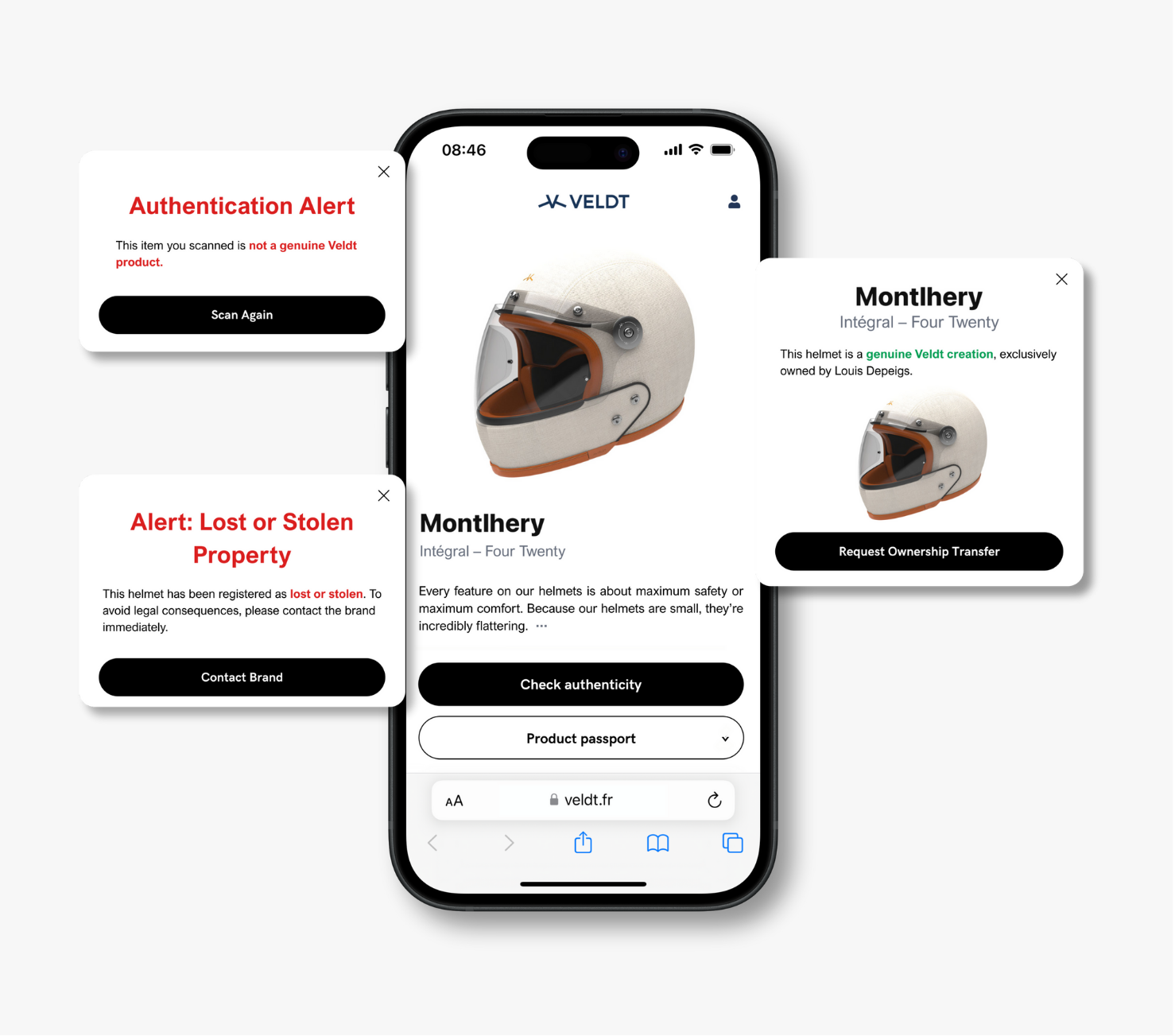
4. How to Implement a Digital Product Passport: Practical Steps for Brands
Step 1: Assess Your Product Portfolio
Identify which of your products fall under the DPP regulation and review the specific data requirements for each category. The European Commission's working plan and delegated acts will provide clarity on what information must be included.
Step 2: Choose a DPP Solution Provider
Select a DPP solution that integrates seamlessly with your existing systems and ensures compliance with ISO/IEC standards. Look for providers that offer robust data management, security, and interoperability features.
Step 3: Collect and Structure Product Data
Gather the necessary product data and ensure it is structured in a machine-readable format. This may involve collaborating with supply chain partners to obtain accurate and up-to-date information.
Step 4: Deploy and Test
Implement the DPP on a pilot product or category, then scale across your portfolio. Test the accessibility and functionality of the passport to ensure it meets regulatory and user expectations.
Step 5: Educate Stakeholders
Train your team and supply chain partners on the importance of the DPP and how to use it effectively. Clear communication will help ensure smooth adoption and compliance.
5. Benefits of Adopting a Digital Product Passport Beyond Compliance
Enhanced Brand Trust and Consumer Engagement
By providing transparent and verifiable product data, brands can build trust with consumers who increasingly value sustainability and ethical sourcing. DPPs also enable brands to engage customers post-purchase, offering personalized services and fostering long-term relationships.
Competitive Advantage
Early adopters of the DPP will be well-positioned as leaders in sustainability and innovation. Brands that leverage DPPs to demonstrate their commitment to the circular economy can differentiate themselves in a crowded market.
Regulatory Readiness
Proactively adopting the DPP ensures compliance with current and future regulations, reducing the risk of penalties and market exclusion. It also prepares brands for similar initiatives in other regions, such as North America and California, where ESG and product transparency regulations are gaining traction.
Conclusion
The digital product passport regulation represents a transformative opportunity for brands to align with the European Commission's vision for a sustainable and circular economy. By understanding the requirements, preparing for compliance, and leveraging the DPP as a strategic asset, brands can not only meet regulatory obligations but also drive innovation, enhance customer trust, and unlock new business models.
As the DPP becomes a standard feature of the EU market, brands that act now will be best positioned to thrive in this new era of transparency and sustainability.

FAQ
Q: What is the first step my brand should take to comply with the Digital Product Passport regulation?
A: Start by reviewing the European Commission's working plan and identifying which of your products are subject to the DPP requirements. Then, assess your current product data management capabilities and explore DPP solution providers that can help you meet the technical and regulatory standards. For a step-by-step guide, see our article on How to Make a Digital Product Passport: A Practical Guide for Brands.
Q: How can a Digital Product Passport help my brand beyond compliance?
A: A DPP enhances supply chain transparency, supports circular business models, and strengthens consumer trust. It also provides valuable product data that can inform product development and marketing strategies. Learn more about the benefits in our article on Top 5 Benefits of Digital Product Passports for Brands and Consumers.
Q: Is the Digital Product Passport mandatory for all products?
A: The DPP is mandatory for most physical products sold in the EU, with some exceptions such as food, feed, and medicinal products. For a detailed breakdown, refer to our article on Is the Digital Product Passport Mandatory? Understanding EU Requirements.