

Summary:
1. What Is a Digital Product Passport and Why Does It Matter?
2. The Regulatory Framework: EU ESPR and Digital Product Passport Requirements
3. How Digital Product Passports Work: A Technical Breakdown
4. The Role of Data and Traceability in the Supply Chain
5. Benefits for Companies, Consumers, and the Environment
Introduction
In an era where sustainable practices are reshaping global markets, the Digital Product Passport (DPP) stands out as a transformative technology for industries committed to transparency and compliance. As regulation tightens across the European Union, understanding how digital product passport works is crucial for companies aiming to align with sustainable goals and meet the evolving expectations of customers. The DPP is not just a tool for complianceit is a strategic asset that empowers industries to build trust, enhance sustainability, and engage customers in meaningful ways.
A Digital Product Passport acts as a digital twin for every product, embedding essential data such as material composition, carbon footprint, and supply chain history. This technology enables industries to demonstrate compliance with sustainable regulations while providing customers with the data they need to make informed, sustainable choices. For industries ranging from luxury goods to electronics, DPPs are becoming indispensable in proving authenticity, fostering sustainability, and driving customer loyalty.
1. What Is a Digital Product Passport and Why Does It Matter?
A Digital Product Passport (DPP) is a technology-enabled solution that accompanies a product throughout its lifecycle, offering a comprehensive digital record of its journey. Accessible via QR codes, NFC chips, or RFID tags, the DPP provides customers and industries with real-time access to critical data, including material origins, environmental impact, and recycling options. This technology is revolutionizing how industries approach sustainability, compliance, and customer engagement.
The European Commission has positioned DPPs at the heart of its sustainable product strategy, embedding them within the Ecodesign for Sustainable Products Regulation (ESPR). By 2027, nearly all products sold in the EU will require a DPP, marking a significant shift toward a sustainable, circular economy. For industries, this regulation is not just a legal obligationit is an opportunity to differentiate themselves by embracing sustainable practices and meeting the demands of customers who prioritize transparency and sustainability.

For customers, DPPs provide unparalleled access to verified product data, fostering trust and enabling sustainable consumption. For industries, they offer a powerful way to demonstrate compliance, enhance brand reputation, and create new business models rooted in sustainability.
2. The Regulatory Framework: EU ESPR and Digital Product Passport Requirements
The regulation surrounding Digital Product Passports is designed to accelerate the transition to a sustainable economy. The ESPR outlines clear requirements, with industries such as textiles, furniture, and electronics among the first to adopt DPPs. This regulation mandates that companies integrate DPPs into their products, ensuring compliance with sustainable standards and providing customers with the data they need to make sustainable choices.
Key Milestones and Requirements
- 2025: The European Commission begins enforcing DPP regulations, starting with high-impact industries like textiles and batteries.
- 2026-2027: Companies in priority sectors must fully implement DPPs, ensuring their products meet sustainable and transparency standards.
- 2030: Full adoption of DPPs across all industries, solidifying their role in the sustainable product landscape.
The regulation requires that each DPP includes a unique identifier, detailed product data, and sustainability metrics. Industries must also ensure their technology complies with ISO/IEC 15459 standards, guaranteeing global interoperability and data consistency.
For industries, staying ahead of these regulations means investing in technology that supports sustainable practices and meets customer expectations for transparency and sustainability.
3. How Digital Product Passports Work: A Technical Breakdown
Step 1: Product Identification
Every product is assigned a unique digital identifier, such as a QR code or NFC tag, which links to its DPP. This step is foundational for traceability and customer engagement, ensuring that customers can easily access product data.
Step 2: Data Collection and Storage
The DPP aggregates data from every stage of the supply chain, including sustainable material sourcing, manufacturing processes, and carbon footprint metrics. This technology ensures that industries can provide customers with accurate, up-to-date information about their products.
Step 3: Data Sharing and Accessibility
Customers and supply chain partners can access the DPP by scanning the product's identifier. The passport delivers real-time updates, from ownership history to recycling options, enhancing transparency and sustainability.
Step 4: Traceability and Verification
DPPs enable end-to-end traceability, allowing industries to monitor products from production to disposal. This technology is critical for compliance, anti-counterfeiting, and sustainable reporting, ensuring that industries can meet regulation and customer expectations.
Step 5: Integration with Business Models
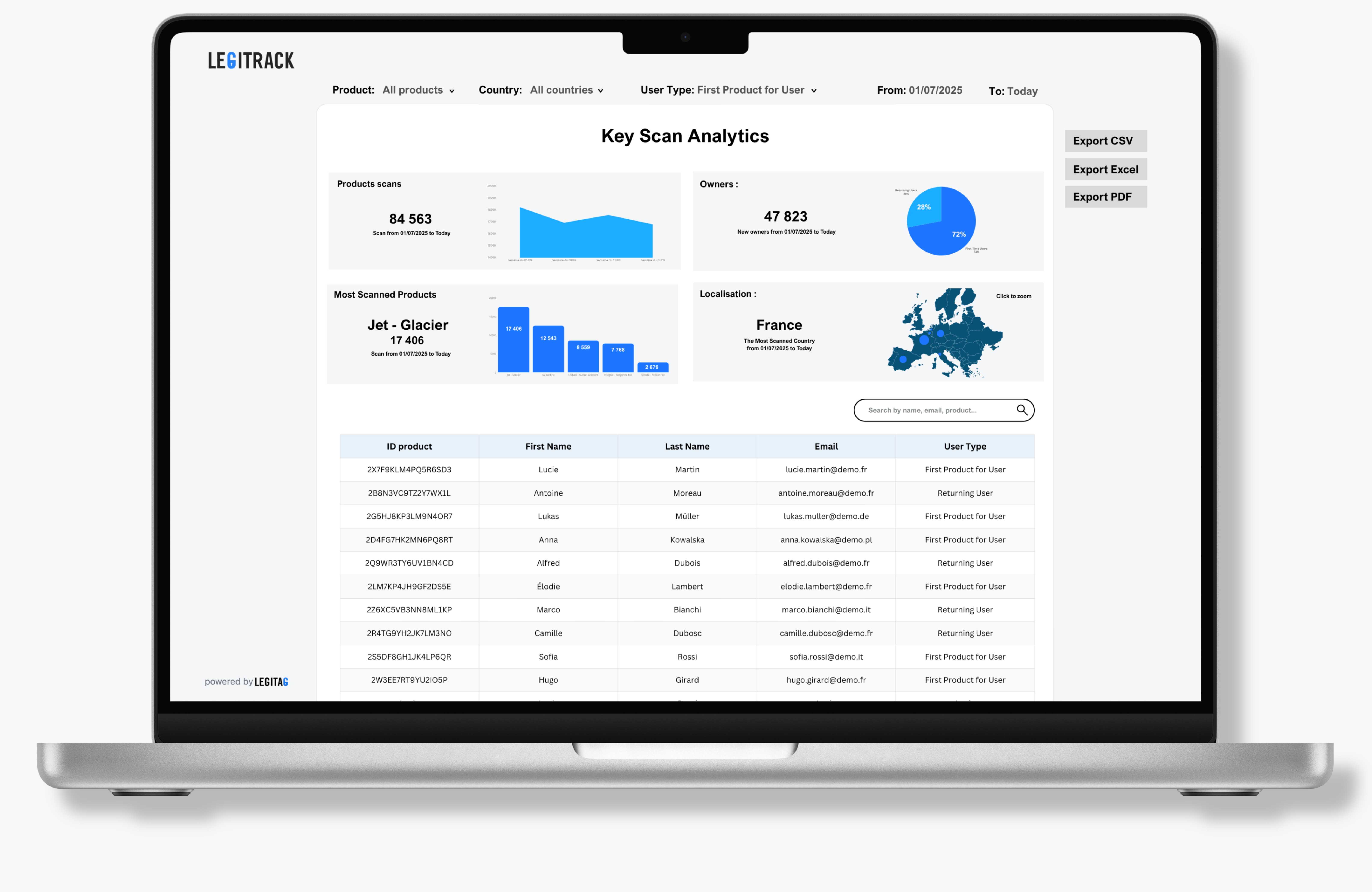
Industries can leverage DPPs to innovate, offering customers services like product-as-a-service or recycling programs. By utilizing data, companies can extend product lifecycles, reduce waste, and align with sustainable goals, creating value for both customers and the environment.
4. The Role of Data and Traceability in the Supply Chain
Data is the backbone of DPPs, driving traceability and sustainability across industries. For customers, access to this data means greater confidence in product authenticity and environmental impact. For industries, it unlocks opportunities to optimize supply chains, meet regulation, and exceed customer expectations for sustainability.
Enhancing Supply Chain Transparency
With DPPs, industries gain real-time visibility into their supply chains, identifying inefficiencies and opportunities for sustainable improvements. This technology enables industries to demonstrate compliance with regulation while building customer trust through transparency.
Driving Circular Economy Practices
By providing detailed product data, DPPs facilitate recycling, reuse, and repair, which are essential for a sustainable, circular economy. Companies use this data to design products for longevity, minimizing waste and maximizing resource efficiency, which resonates with customers who value sustainability.
5. Benefits for Companies, Consumers, and the Environment
For Companies:
- Compliance with EU regulations, avoiding penalties and enhancing brand reputation.
- Strengthened customer trust through sustainable and transparent practices.
- New revenue streams from circular business models and product-as-a-service offerings, which appeal to customers seeking sustainable options.
For Customers:
- Access to verified product data, enabling informed, sustainable purchasing decisions.
- Confidence in product authenticity and sustainability claims.
- Opportunities to participate in recycling and reuse programs, aligning with their sustainable values.
For the Environment:
- Reduced carbon footprint and resource consumption, contributing to a sustainable future.
- Higher recycling rates and lower waste, supporting the EU's sustainable and circular economy vision.

Conclusion
The Digital Product Passport is more than a regulationit is a catalyst for sustainability, transparency, and innovation. As industries adopt this technology, they not only meet customer demands but also lead the charge toward a sustainable future. For companies ready to embrace DPPs, the time to act is now. By integrating this technology, industries can turn compliance into a competitive advantage, build customer loyalty, and drive meaningful sustainable change.
FAQ
Q: What is the deadline for implementing Digital Product Passports in the EU?
A: The European Commission has set a phased timeline, with DPP regulations taking effect in 2025 and full adoption expected by 2027. Industries in priority sectors should prepare now to ensure compliance and meet customer expectations for sustainability.
Q: How can my brand deploy a Digital Product Passport?
A: Deploying a DPP involves selecting a technology provider, integrating data systems, and ensuring compliance with ISO/IEC standards. For a step-by-step guide, explore our article on How to Make a Digital Product Passport: A Practical Guide for Brands.
Q: What are the key benefits of Digital Product Passports for my business?
A: DPPs offer compliance with regulations, enhanced customer trust, and new sustainable business models. To learn more, read our article on Top 5 Benefits of Digital Product Passports for Brands and Customers.
Q: How does Legitag help brands implement Digital Product Passports?
A: Legitag provides a no-code platform for creating and managing DPPs, ensuring compliance, traceability, and customer engagement. Book a demo to see how our technology supports your sustainable goals and helps you connect with customers.