

Summary
1. Understanding the Digital Product Passport and Its Regulatory Context
2. Key Data Requirements for a Compliant Digital Product Passport
3. Step-by-Step Implementation: From Data Collection to Deployment
4. Integrating Digital Product Passports into Your Business Strategy
5. Overcoming Common Challenges in DPP Adoption
Introduction
The Digital Product Passport (DPP) is rapidly becoming a cornerstone of sustainability, transparency, and customer engagement for brands across Europe and beyond. As the European Union accelerates its Circular Economy Action Plan and Ecodesign for Sustainable Products Regulation (ESPR), the DPP is set to transform how businesses manage product data, interact with customers, and optimize their supply chains. For brands, the DPP is not just a regulatory requirementit's a strategic solution to enhance supply chain management, build trust, and drive business growth.
In today's market, consumers and regulators alike demand greater accountability for the sustainability and impact of products. A well-structured DPP provides a unique solution to meet these expectations by offering a digital record of a product's journey, from raw materials to end-of-life. Whether you produce clothing, furniture, electronics, or luxury goods, understanding how to make a digital product passport will position your company at the forefront of sustainable products regulation and product experience management. The DPP is more than a document; it's a dynamic tool that evolves with your products and your supply chain, ensuring that every material used is traceable and sustainable, while minimizing the impact of your products on the environment.
1. Understanding the Digital Product Passport and Its Regulatory Context
The Digital Product Passport (DPP) is a digital twin of a physical product, containing comprehensive information about its origin, materials, environmental impact, and lifecycle. The European Commission has made the DPP a central element of its sustainability strategy, aiming to improve supply chain transparency, reduce waste, and empower consumers with accurate sustainability data.
Source : Data Europea
Why the DPP Matters for Brands
The DPP is more than a compliance tool; it's a solution for brands to demonstrate their commitment to sustainability and circular economy principles. By 2027, the DPP will be mandatory for a wide range of products sold in the EU, including textiles, batteries, electronics, and furniture. Early adoption of the DPP allows brands to gain a competitive edge, enhance customer experience, and streamline data management. Moreover, the DPP enables brands to track the impact of their products throughout the entire supply chain, ensuring that every supplier and material used aligns with sustainability goals, while optimizing the supply of responsible products to the market.
Regulatory Framework and Deadlines
The European Commission has outlined a phased approach for the DPP, with the first delegated acts expected in late 2025 and full compliance required by 2027 for prioritized product categories. Brands must stay informed about the product passport requirements specific to their industry, as these will dictate the scope and depth of data to be included in their DPP. The sustainability of products is now a key differentiator, and the DPP is the solution to prove compliance and build consumer trust, while reducing the overall impact of their supply operations.
2. Key Data Requirements for a Compliant Digital Product Passport
A robust DPP must include a range of product data, from basic identifiers to detailed sustainability metrics. The European Commission and European Union standards organizations have defined core data attributes for the DPP, which typically include:
- Unique product identifier (following ISO/IEC 15459:2015)
- Product details: name, model, batch number, manufacturing data
- Material composition and raw materials sourcing, including the sustainability credentials of each supplier
- Carbon footprint and environmental impact assessments, highlighting the impact of products on the planet
- Repairability, recyclability, and end-of-life instructions, ensuring products contribute to a circular economy
- Supply chain information, including supplier and manufacturer details, to guarantee transparency and sustainability of all materials used

Data Collection and Management for the DPP
Effective data management is critical for creating an accurate DPP. Brands should align their supply chains and IT systems to collect, validate, and digitize product data efficiently. Collaboration with suppliers is essential to ensure that all materials and processes meet sustainability standards. This collaboration ensures that the DPP reflects the true impact of products, from raw materials to final disposal, while optimizing the supply of sustainable products.
3. Step-by-Step Implementation: From Data Collection to Deployment of Your DPP
Assess Your Current Data Infrastructure
Begin by auditing your existing product data and identifying gaps for your DPP. Determine what information is already available and what needs to be collected or digitized, especially regarding materials and supplier practices. This step is foundational for building a compliant and functional DPP, ensuring your products meet the highest standards of sustainibility and impact reduction.
Choose the Right Technology for Your DPP
Select a digital product passport solution that integrates seamlessly with your existing systems. Look for platforms that offer NFC, QR codes, or blockchain for secure data sharing and authentication. The chosen solution should support data interoperability and comply with EU standards, ensuring that your DPP is both reliable and scalable, while enhancing the traceability of your products throughout the supply chain.
Pilot and Scale Your DPP
Start with a pilot project for a select range of products to test your DPP. Engage a small group of customers and stakeholders to gather feedback and refine the process. Pay special attention to how the DPP communicates the sustainability and impact of your products, while ensuring your supply chain remains agile and responsive.
4. Integrating Digital Product Passports into Your Business Strategy
Enhancing Customer Engagement with the DPP
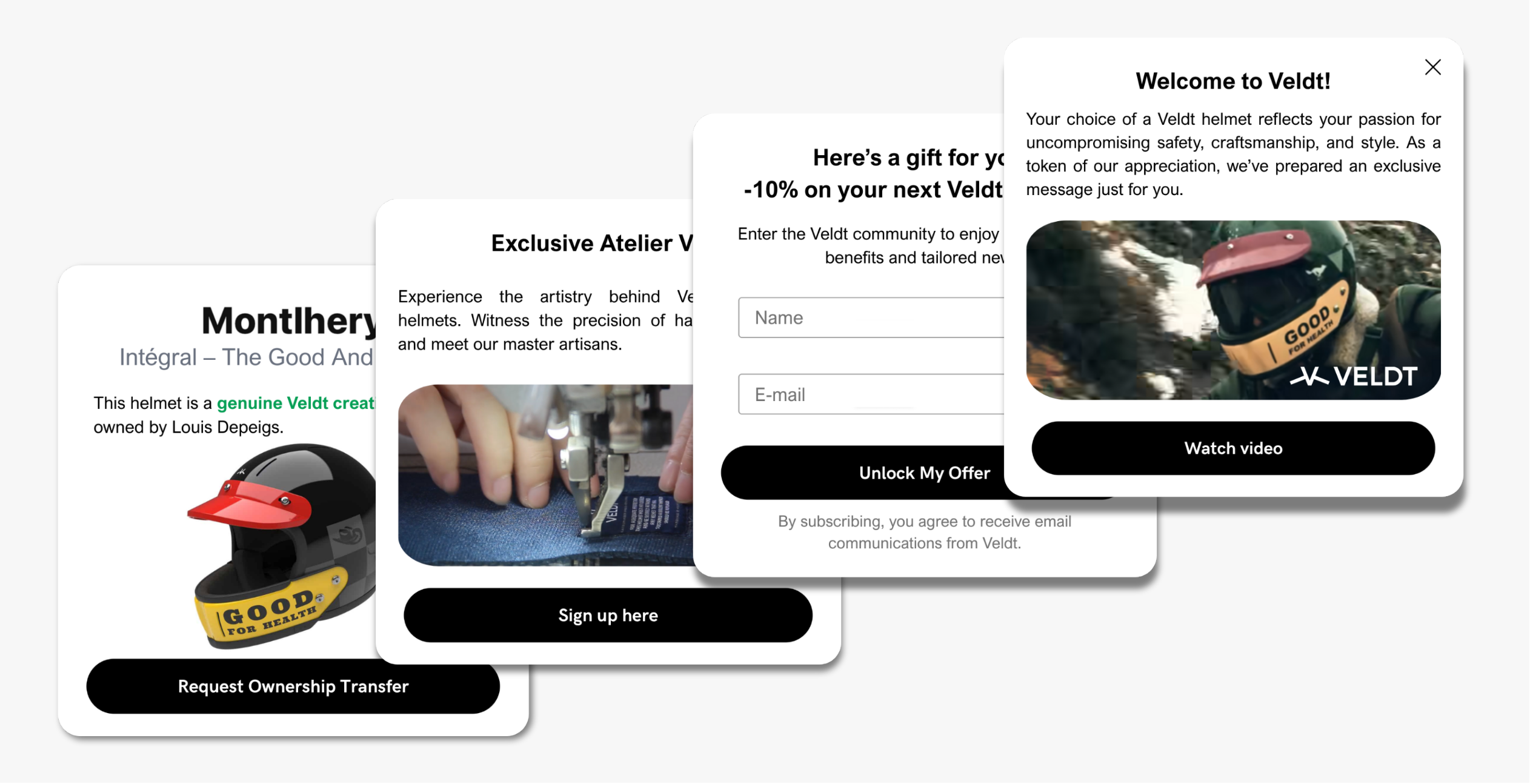
The DPP is a powerful tool for product experience management. By providing consumers with transparent, accessible product data, brands can build trust, foster loyalty, and differentiate themselves in a crowded market. Consider offering exclusive content, such as maintenance tips or sustainability stories, through the DPP to enrich the customer experience. This not only educates consumers but also highlights the positive impact of your products and the responsible sourcing of materials, while reinforcing the integrity of your supply chain.
Leveraging the DPP for Sustainability and Compliance
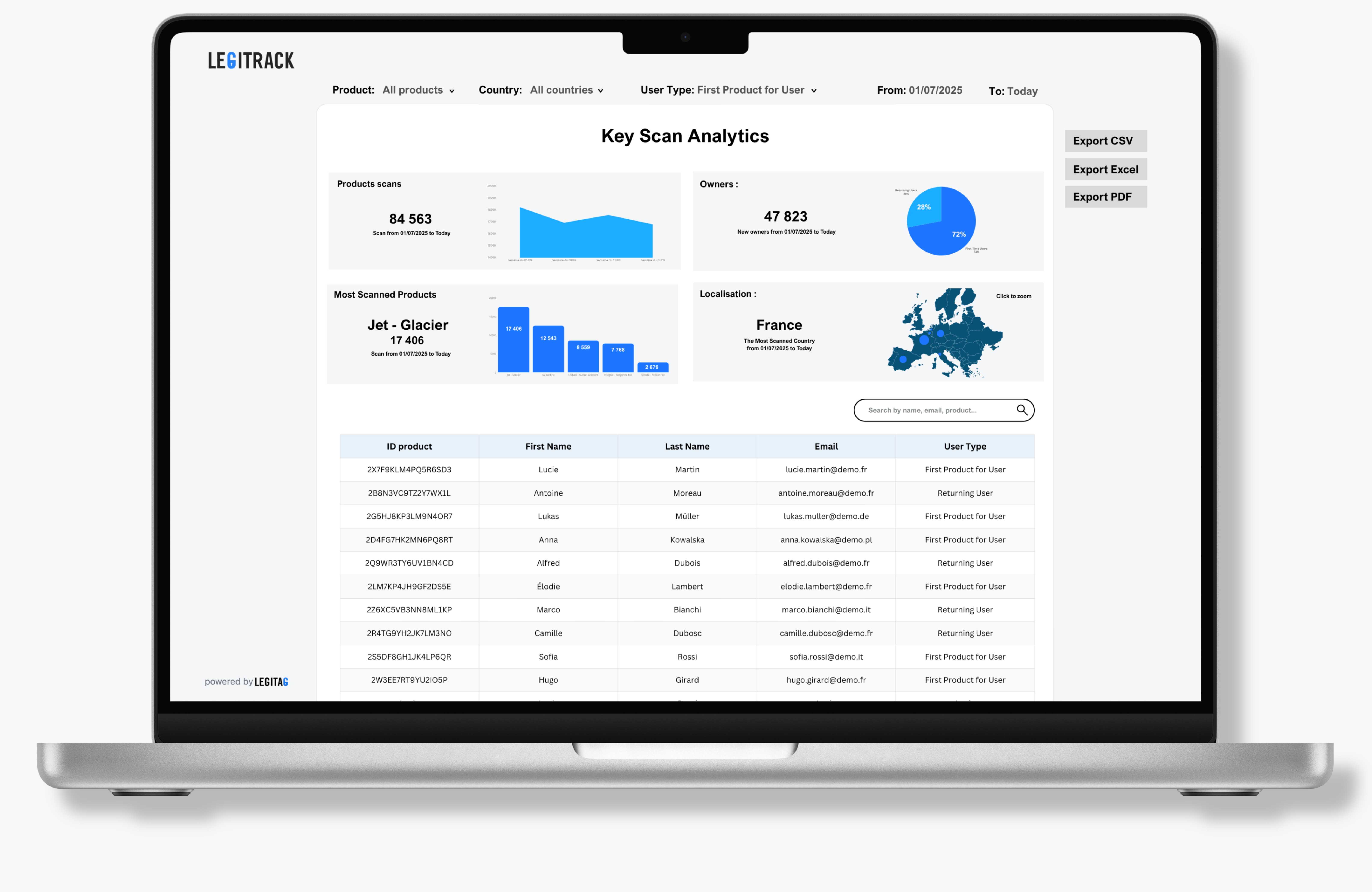
Use the insights gained from your DPP to optimize your supply chain, reduce environmental impact, and meet sustainable products regulation requirements. The DPP can also serve as a platform for ecodesign initiatives, helping brands transition to more sustainable products and circular business models. By analyzing the data from your DPP, brands can identify areas for improvement, such as sourcing materials with lower impact or working with suppliers who prioritize sustainability, while ensuring the supply of high-quality, responsible products.
5. Overcoming Common Challenges in DPP Adoption
Data Accuracy and Supplier Collaboration for the DPP
Ensuring data accuracy in your DPP requires close collaboration with suppliers. Establish clear protocols for data sharing and validation, and invest in training to bring all stakeholders up to speed. The sustainability of your products depends on the quality of the data provided by every supplier in your supply chain, especially concerning the materials used and their impact.
Cost and Resource Management for the DPP
While implementing a DPP involves upfront costs, the long-term benefitssuch as improved supply chain management, reduced risk of non-compliance, and enhanced brand reputationfar outweigh the initial investment. Many brands find that the DPP pays for itself through operational efficiencies and increased customer trust. The solution lies in viewing the DPP not as an expense, but as an investment in the sustainability and future-proofing of your products, materials, and supply chain operations.
Conclusion
The Digital Product Passport (DPP) is a transformative solution for brands committed to sustainability, transparency, and customer engagement. By understanding the regulatory landscape, collecting the right product data, and integrating the DPP into your business strategy, you can turn compliance into a competitive advantage. As the European Union continues to roll out DPP requirements, early adopters will be best positioned to lead in the new era of sustainable business. The impact of the DPP extends beyond compliancethey are a powerful tool to communicate the sustainability of your products, strengthen relationships with suppliers, and build a loyal customer base, all while optimizing your supply chain for long-term success.
FAQ
Q: What is the first step in creating a Digital Product Passport for my brand?
A: The first step is to assess your current product data and identify what additional information you need to collect to meet DPP requirements, especially regarding materials and supplier practices. For a detailed guide, explore our article on Digital Product Passport Data Requirements: What Information Must You Include?
Q: How can a Digital Product Passport improve my brand's customer experience?
A: The DPP enhances customer experience by providing transparent, engaging, and actionable product data. It allows consumers to verify authenticity, access maintenance tips, and learn about your brand's sustainability efforts, while understanding the impact of your products. Discover more in our article on Enhancing Customer Experience: The Power of Digital Product Passports.
Q: Is there a simple way to deploy a Digital Product Passport without an internal IT team?
A: Yes, solutions like Legitag offer user-friendly platforms that require minimal technical expertise. You can request a demo to see how easy it is to get started, even if your supply chain is complex or your suppliers are still adapting to sustainability standards.