

Summary:
1. The Rising Importance of Traceability in Modern Business
2. How Digital Product Passports Transform Traceability
3. The Impact of Digital Technologies on Traceability
4. Implementing Traceability: Best Practices for Brands
5. The Business and Consumer Benefits of Enhanced Traceability
Introduction
In an era where consumers demand transparency and regulators enforce stricter compliance, traceability has become a cornerstone of modern business operations. From raw materials to finished goods, the ability to trace and verify every step of a product's lifecycle is no longer optionalit is a strategic imperative. The introduction of Digital Product Passports (DPPs) is set to redefine how brands approach traceability, offering unprecedented visibility into supply chains and fostering trust between businesses and their customers.
As the industry evolves, the requirements for traceability are becoming more complex, driven by both consumer expectations and regulatory mandates. The European Union's push for Digital Product Passports underscores the importance of adopting advanced technologies to meet these challenges. For brands, the question is no longer whether to invest in traceability systems, but how to do so effectively and efficiently.
1. The Rising Importance of Traceability in Modern Business
Traceability refers to the ability to track and document the history, location, and application of products and materials throughout the supply chain. In today's global marketplace, where supply chains are increasingly complex and consumer expectations for transparency are higher than ever, robust traceability systems are essential. They enable brands to verify the authenticity of their products, ensure food safety, and meet evolving regulatory requirements.
The European Union's Ecodesign for Sustainable Products Regulation (ESPR) is a prime example of this shift. By 2025, manufacturers, importers, and retailers of select product categoriesincluding textiles, furniture, and electronicsmust provide Digital Product Passports for their goods. These passports serve as a digital record of a product's lifecycle, from raw materials sourcing to end-of-life disposal, ensuring that all stakeholders have access to accurate, up-to-date information.
source : Data Europa

For businesses, the benefits of traceability extend beyond compliance. It enhances supply chain management, reduces the risk of counterfeiting, and builds consumer confidence. In industries like food and healthcare, where safety and quality are paramount, traceability software and tracking tracing technologies are already transforming operations, enabling real-time monitoring and rapid response to issues.
source : food industry executive
2. How Digital Product Passports Transform Traceability
Digital Product Passports represent a paradigm shift in how brands and consumers interact with product information. Unlike traditional labels, DPPs are dynamic traceability systems that provide a 360-degree view of a product's lifecycle, from raw materials to recycling. This transformation is powered by cutting-edge technologie, including QR codes, NFC tags, and secure cloud platforms, which enable seamless data sharing and real-time updates.
When a consumer scans a QR code or taps an NFC tag, they gain instant access to a product's complete history: origin of raw materials, manufacturing processes, sustainability credentials, and end-of-life instructions. For brands, this technology offers a powerful tool for data management and customer engagement. DPPs allow companies to collect valuable insights into product performance, consumer behavior, and supply chain efficiency, all while meeting stringent regulatory requirements.
source : Data Europa

The adoption of DPPs goes beyond regulatory compliance. It creates a transparent, trust-based relationship between brands and their customers. In competitive industries such as luxury goods, electronics, and apparel, DPPs serve as a differentiator, proving a brand's commitment to sustainability, ethical sourcing, and product authenticity. Moreover, DPPs enable ongoing customer engagement by providing a direct channel for brands to share updates, promotions, and sustainability initiatives long after the point of sales.
By implementing DPPs, brands can turn traceability from a compliance obligation into a strategic asset. These digital passports not only help companies navigate the complex landscape of industry regulations but also open new opportunities for innovation in product design, marketing, and supply chain optimization.
3. The Impact of Digital Technologies on Traceability
Advances in digital technology are radically transforming how businesses approach traceability. Thanks to tools like QR codes, NFC tags, and traceability software platforms, brands can now track every step of a product's lifecycle with unprecedented precision. These technologies not only enable real-time data collection but also make this information accessible and understandable for consumers and stakeholders.
In the fashion industry, for example, NFC tags embedded in clothing allow customers to scan a product and instantly access detailed information about its origin, materials used, and even care instructions. This transparency builds trust and enhances the customer experience while addressing growing requirements for sustainability and ethics.
Additionally, traceability software solutions enable businesses to centralize and analyze data throughout the product's lifecycle. This facilitates regulatory compliance, optimizes inventory management, and improves responsiveness in the event of a recall or quality issue. In industries such as food and pharmaceuticals, where safety and traceability are critical, these technologies play a key role in ensuring quality and compliance.
Integrating these digital tools into existing processes also allows brands to stand out in a competitive market. By adopting advanced traceability systems, companies can not only meet consumer expectations but also anticipate regulatory changes and industry trends.
4. Implementing Traceability: Best Practices for Brands
For brands looking to implement traceability, the process begins with a clear strategy and the right technologie. Here are some best practices to consider:
- Start with a pilot program: Focus on high-value or high-risk products to test your traceability system and identify areas for improvement.
- Choose the right tools: Depending on your industry and needs, you may opt for QR codes, NFC tags, or a combination of both. These tools should be user-friendly and compatible with existing software and management systems.
- Ensure data accuracy: Regular audits and updates are essential to maintain the integrity of your traceability data. Invest in software engineering solutions that support version control and real-time updates.
- Engage stakeholders: Collaborate with suppliers, distributors, and retailers to ensure seamless data sharing and compliance across the supply chain.
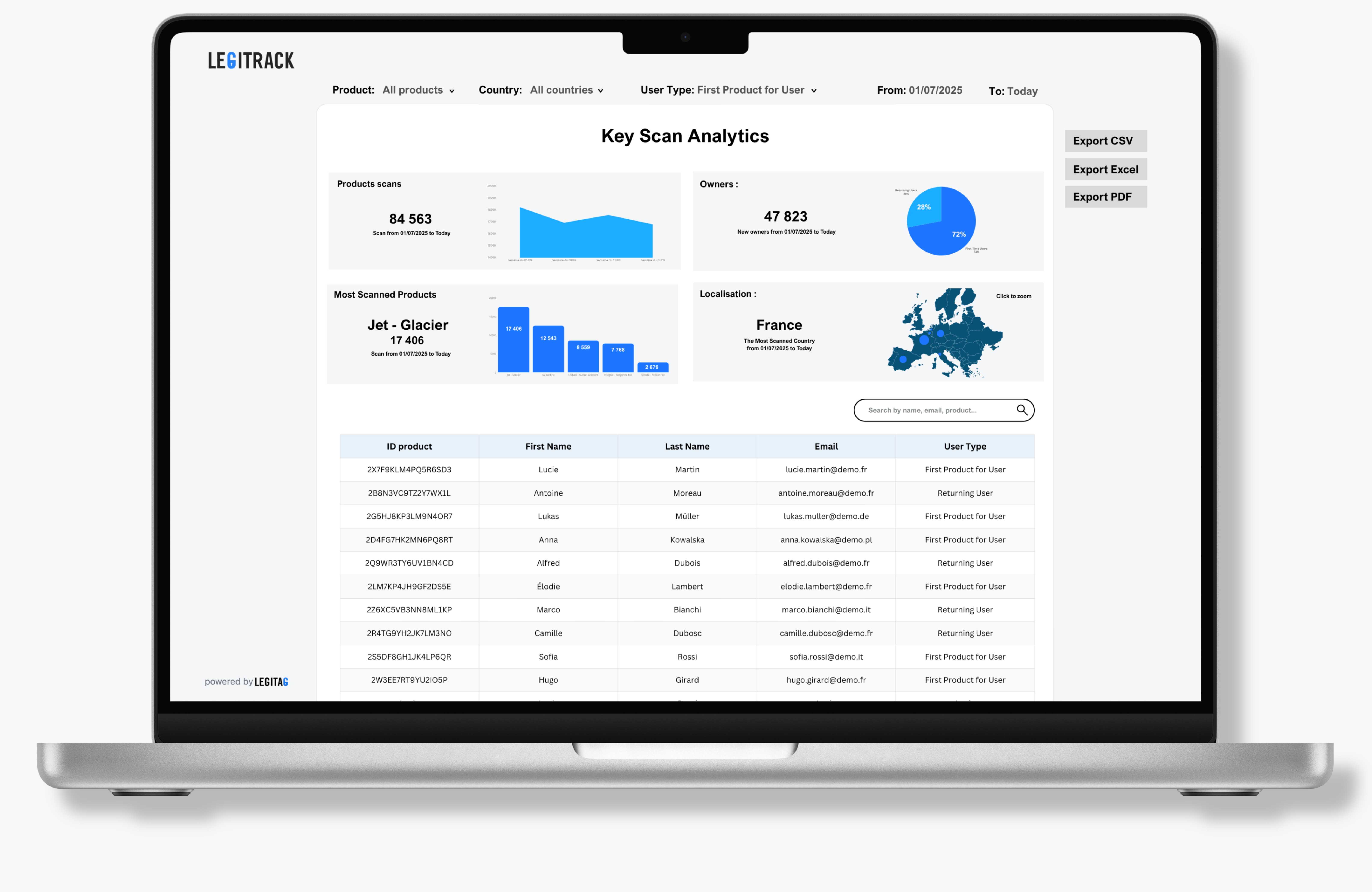
Brands should also consider the long-term benefits of traceability, such as improved customer engagement, reduced operational costs, and enhanced brand protection. By leveraging traceability software, companies can turn compliance into a competitive advantage, building trust and loyalty among consumers.
5. The Business and Consumer Benefits of Enhanced Traceability
The advantages of traceability are clear for both brands and consumers. For businesses, enhanced traceability leads to better supply chain visibility, reduced risk of recalls, and stronger brand reputation. It also supports sustainable supply chain practices, helping companies meet their environmental and social responsibility goals.
For consumers, traceability provides peace of mind. Knowing where a product comes from and how it was made empowers shoppers to make informed, ethical purchasing decisions. This transparency fosters trust and loyalty, which are critical in today's competitive marketplace.
Insert an image here with the caption: "Happy customer checking product authenticity via a Digital Product Passport."
Conclusion
As traceability becomes a standard expectation, brands that invest in Digital Product Passports and advanced traceability systems will be best positioned to thrive. These technologies not only ensure compliance with evolving requirements but also create opportunities for innovation, customer engagement, and sustainable growth.
For companies ready to take the next step, solutions like Legitag's Digital Product Passport platform offer a turnkey way to implement traceability without the need for extensive IT resources. By embracing traceability, brands can build a future-proof business that prioritizes transparency, trust, and supply chain resilience.
FAQ
Q: What is a Digital Product Passport, and why is it important for my brand?
A: A Digital Product Passport is a digital record that provides detailed information about a product's lifecycle, from raw materials to disposal. It is essential for compliance with EU requirements and for building consumer trust. Legitag's DPP solution makes it easy for brands to create and manage passports, ensuring traceability and transparency. Check What Is a Digital Product Passport? Everything You Need to Know for more information.
Q: How can digital technologies improve traceability in my supply chain?
A: Advanced technologies like QR codes, NFC tags, and traceability software enable real-time tracking, data centralization, and compliance management. They are particularly valuable for industries like food, luxury goods, and electronics, where authenticity and safety are critical.
Q: What are the first steps to implementing a traceability system?
A: Start by assessing your current supply chain and identifying key products for a pilot program. Choose the right traceability software and tools, such as QR codes or NFC tags, and ensure your team is trained to use them effectively. For a seamless experience, consider partnering with a provider like Legitag, which offers end-to-end support for Digital Product Passports. Check How Does a Digital Product Passport Work? A Step-by-Step Breakdown to learn more.