

Summary:
1. The Definition and Purpose of a Digital Product Passport
2. The Ecodesign for Sustainable Products Regulation (ESPR) and the European Commission's Role
3. What Companies Need to Include: Data and Specific Requirements
4. The Role of Digital Product Passports in the Circular Economy
5. How to Implement DPPs: A Practical Guide for Brands
Introduction
As the European Union moves toward a more sustainable and transparent marketplace, the Digital Product Passport (DPP) is becoming a game-changer for companies across industries. This innovative tool is designed to enhance traceability, combat counterfeiting, and support the transition to a circular economy. But what is a digital product passport, and why is it essential for your business?
A Digital Product Passport is a digital record linked to a physical product, providing comprehensive data about its origin, composition, and lifecycle. From raw materials to end-of-life disposal, the DPP ensures that every stakeholdermanufacturers, regulators, and consumershas access to verified, up-to-date information. Rooted in the Ecodesign for Sustainable Products Regulation (ESPR), the DPP is not just a compliance tool; it's a strategic asset that can help brands build trust, improve supply chain transparency, and meet evolving consumer expectations.
For companies operating in the EU, understanding the specific requirements of the DPP is critical. Whether you're in textiles, electronics, or construction, the DPP will soon be a mandatory component of your product strategy. This article explores the purpose, benefits, and implementation of digital product passports, and how they align with the European Commission's vision for a sustainable future.

1. The Definition and Purpose of a Digital Product Passport
A Digital Product Passport (DPP) is a digital interface that stores and shares product-specific data throughout a product's lifecycle. Accessible via a unique product identifiersuch as a QR code, NFC chip, or RFID tagthe DPP serves as a digital twin for physical goods, offering real-time insights into their journey from production to disposal.
Why Are Digital Product Passports Important?
The DPP addresses several pressing challenges in today's market:
- Authenticity and Anti-Counterfeiting: By providing a tamper-proof record, the DPP helps brands verify the authenticity of their products and protect against fraud.
- Sustainability: The DPP enables companies to document and communicate the environmental impact of their products, supporting sustainable business practices and the circular economy.
- Consumer Trust: With growing demand for transparency, the DPP allows brands to share verified information about materials, manufacturing, and recycling, fostering consumer loyalty.
- Regulatory Compliance: As part of the Ecodesign for Sustainable Products Regulation (ESPR), the DPP ensures that companies meet the European Union's requirements for product data and traceability.
The European Commission defines the DPP as a "product-specific dataset" that facilitates the sharing of product data among supply chain partners, regulators, and consumers. This definition highlights the DPP's role in enhancing traceability and enabling data-driven decision-making.
2. The Ecodesign for Sustainable Products Regulation (ESPR) and the European Commission's Role
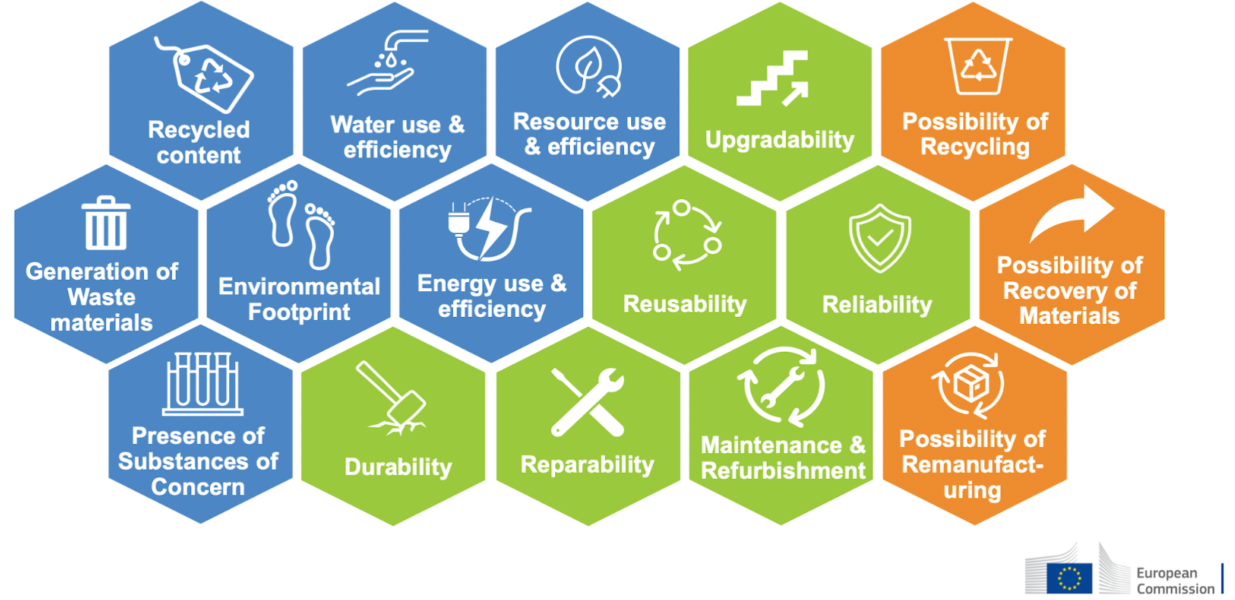
The DPP is a cornerstone of the Ecodesign for Sustainable Products Regulation (ESPR), a landmark initiative by the European Commission to promote sustainable products and circular business models. Adopted in 2024, the ESPR sets out a framework for integrating sustainability into the design, production, and consumption of products sold in the EU.
Key Milestones for DPP Implementation
- 2025: The European Commission published its first working plan, identifying priority product categoriesincluding textiles, furniture, batteries, and construction materialsthat will require digital product passports.
- 20262027: The first delegated acts under the ESPR will take effect, with companies given 18 months to comply. For example, batteries for electric vehicles and industrial use will require a DPP by February 2027.
- 2030 and Beyond: The scope of the DPP will expand to cover nearly all products sold in the EU, reinforcing the European Union's commitment to traceability and sustainability.
Source : Data Europa
What Does the ESPR Mean for Companies?
Under the ESPR, companies must ensure their products meet specific requirements, including:
- A unique product identifier (e.g., QR code or RFID tag) for easy access to the DPP.
- Detailed product data, such as material composition, carbon footprint, and end-of-life instructions.
- Compliance documentation to verify adherence to sustainable products regulation.
Source : Data Europa
The European Commission is also developing harmonized standards to ensure that digital product passports are interoperable, secure, and accessible to all stakeholders.
Source : Single market european economy
3. What Companies Need to Include: Data and Specific Requirements
The data contained in a DPP varies by product category, but the core elements remain consistent:
Product Identification
- Unique product identifier (e.g., serial number or batch code).
- Product name, model, and brand.
Material and Supply Chain Information
- Raw materials used, including their origin and sustainability credentials.
- Manufacturing processes and facilities involved.
Sustainability and Compliance
- Carbon footprint and other environmental metrics.
- Substances of concern and compliance with EU standards.
- Repair, reuse, and recycling instructions to support the circular economy.
Ownership and Lifecycle Data
- Ownership history and maintenance records.
- End-of-life options, such as recycling or disposal guidelines.
Source : Data Europa
For companies, the challenge lies in collecting, verifying, and managing this data efficiently. Many brands are partnering with DPP service providers to streamline compliance and leverage product data for strategic insights.
4. The Role of Digital Product Passports in the Circular Economy
The DPP is a powerful tool for advancing the circular economy, enabling companies to:
- Extend Product Lifecycles: By providing information on repair and recycling, the DPP encourages consumers to keep products in use longer, reducing waste and promoting sustainability.
- Optimize Resource Use: Product data helps manufacturers identify opportunities for material recovery and waste reduction, aligning with circular business models.
- Enhance Traceability: The DPP makes it easier for brands to track and communicate their sustainability efforts, building consumer trust and loyalty.
Case Study: The Textile Industry
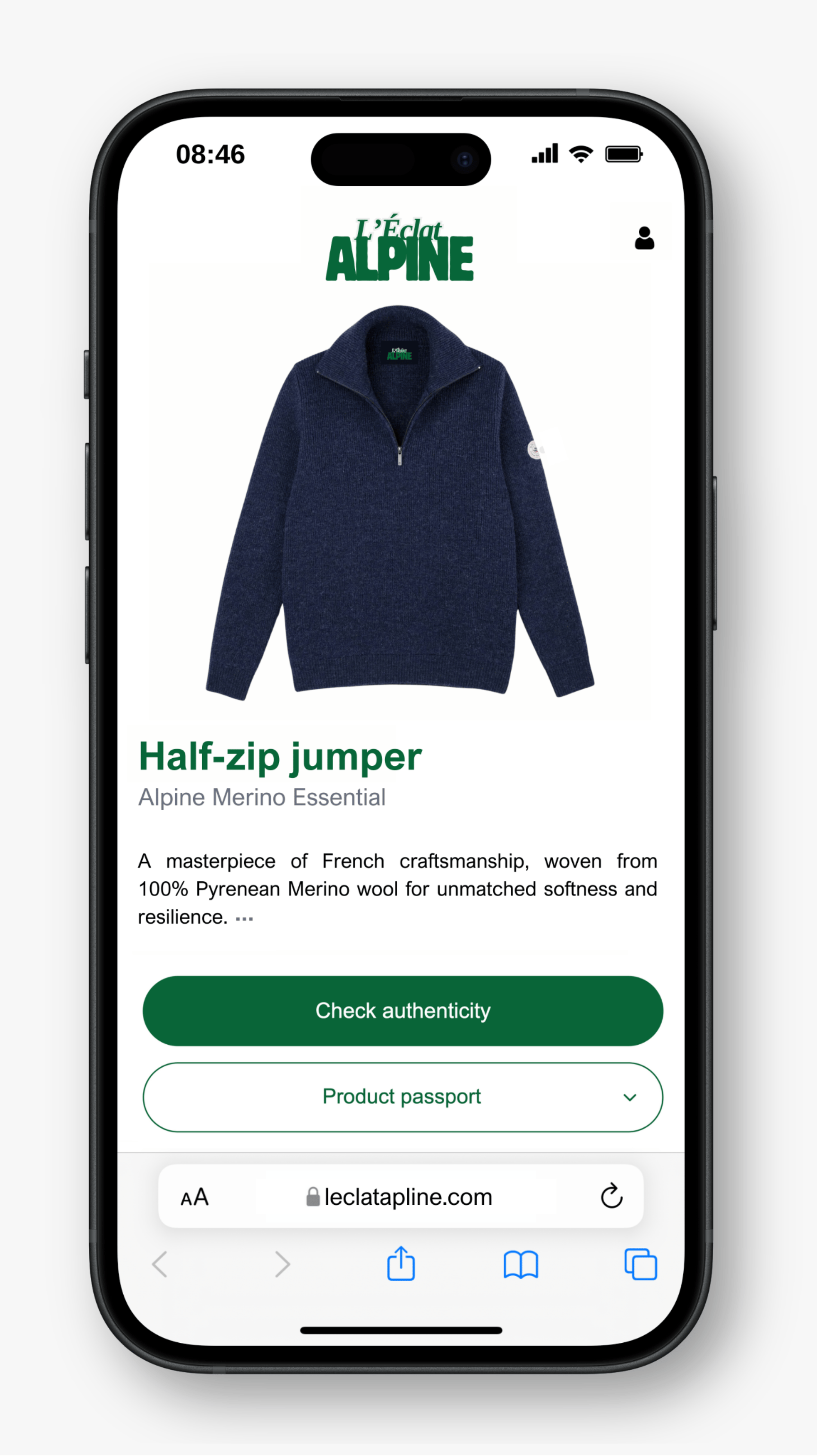
In the textile sector, brands like Victoria's Secret and Nobody's Child are using digital product passports to share details about fabric sourcing, manufacturing partners, and environmental impact. This traceability not only meets regulatory requirements but also responds to consumer demand for sustainable products.
Business Benefits Beyond Compliance
- Competitive Advantage: Early adopters of the DPP can position themselves as leaders in sustainability and transparency.
- Consumer Engagement: The DPP opens new channels for interaction, allowing brands to offer personalized services and build stronger consumer relationships.
- Risk Mitigation: By documenting compliance and authenticity, the DPP helps companies reduce the risk of counterfeiting and regulatory penalties.
5. How to Implement DPPs: A Practical Guide for Brands
Step 1: Assess Your Readiness
- Identify which of your products fall under the ESPR's initial product categories.
- Audit your current data collection processes to ensure they meet specific requirements.
Step 2: Choose a DPP Solution
- Partner with a DPP service provider that offers interoperability, security, and scalability.
- Ensure the solution aligns with European Commission standards and integrates seamlessly with your existing systems.
Step 3: Collect and Verify Data
- Collaborate with supply chain partners to gather product-specific data.
- Use technologies like blockchain to ensure data integrity and traceability.
Step 4: Pilot and Scale
- Start with a pilot program for a single product category or market.
- Train your team and stakeholders on how to use the DPP effectively.
Step 5: Leverage the DPP for Growth
- Use product data to inform sustainable business practices and product innovation.
- Promote your DPP initiatives to build consumer trust and attract eco-conscious buyers.
Conclusion
The Digital Product Passport is more than a regulatory obligationit's a strategic opportunity for companies to enhance traceability, support the circular economy, and meet the growing demand for sustainable products. As the European Union rolls out the DPP across industries, brands that act now will not only ensure compliance but also gain a competitive edge in a market driven by transparency and sustainability.
At Legitag, we empower brands to navigate the DPP landscape with end-to-end solutions that simplify compliance, improve product authentication, and unlock new opportunities for consumer engagement.
FAQ
1. When is the deadline for implementing a Digital Product Passport?
The first deadlines for digital product passports begin in 2026, with full compliance required by 2027 for priority product categories like batteries and textiles. The European Commission's working plan outlines specific requirements and timelines for each sector.
2. How can a Digital Product Passport help my brand fight counterfeiting?
The DPP provides a unique product identifier and a tamper-proof record of a product's history, making it easier to verify authenticity and protect your brand. For more insights, read Anti-Counterfeiting Measures: A Major Challenge for Brands.
3. What data must be included in a Digital Product Passport?The European Commission requires product-specific data, such as material composition, carbon footprint, compliance documentation, and end-of-life instructions. The exact requirements vary by product category, but traceability and transparency are central to all DPPs. For a detailed breakdown, see Digital Product Passport Data Requirements: What Information Must You Include?.